
Revolutionary movements serve as crucibles for leadership, transforming ordinary citizens into extraordinary voices that shape nations’ destinies. When societies reach boiling points, these upheavals churn the established order, creating space for new faces to emerge from the masses and carry forward generational aspirations into power.
This pattern repeats globally: India’s Independence Movement produced Gandhi and Nehru, while later crises elevated JP Narayan, Lalu Prasad, VP Singh, George Fernandes and Arvind Kejriwal. Similarly, Bangladesh’s Liberation War transformed Mujibur Rahman into “Bangabandhu,” South Africa’s anti-apartheid struggle elevated Mandela to presidency, and America’s Civil Rights Movement catapulted Martin Luther King Jr. and John Lewis from activists to iconic leaders.
Nepal’s recent protests, dubbed the “Gen Z protests,” began as a social media movement against corruption and “Nepo Kids” but quickly evolved into broader demands for political accountability. The movement intensified after 30 demonstrators were killed during protests, ultimately leading to Prime Minister KP Sharma Oli’s resignation. From this upheaval, several distinct leaders have emerged with significant popular support:
Nepal’s Gen Z Revolution: New Voices Rising
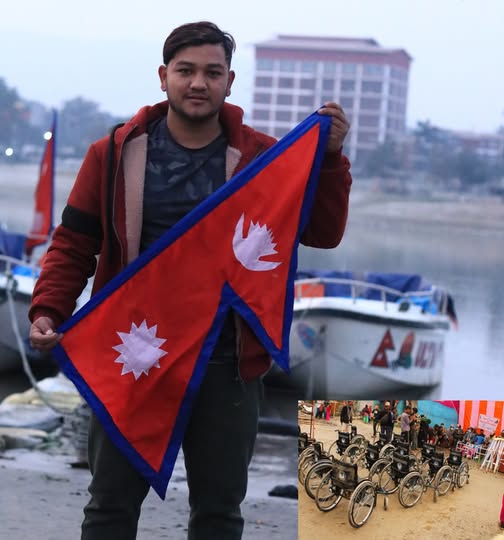
Anil Baniya (Hami Nepal Movement): As a key organizer representing “We Nepal,” Baniya exemplifies the movement’s grassroots nature. His emphasis on peaceful protest and cultural events initially defined the movement’s character. Following the government’s violent crackdown, Baniya articulated the protesters’ “non-negotiable demands” including parliament dissolution and mass resignations. His ability to maintain organizational coherence while adapting to escalating circumstances has positioned him as a voice for sustained political change beyond immediate grievances.
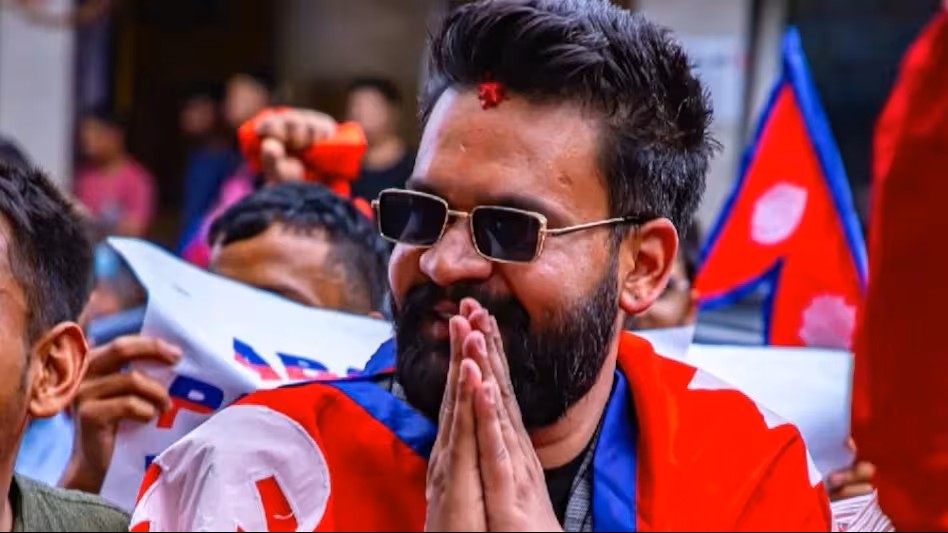
Balen Shah (Kathmandu Mayor): The mayor of Kathmandu, who is also a popular rapper, has found significant support among protesters. Shah’s unique position as both an elected official and cultural figure allows him to bridge establishment politics with grassroots energy. His public support for the Gen Z movement, despite being outside their age demographic, demonstrates political courage and authentic connection with youth aspirations. His artistic background and mayoral experience position him as a potential bridge between street activism and institutional governance.
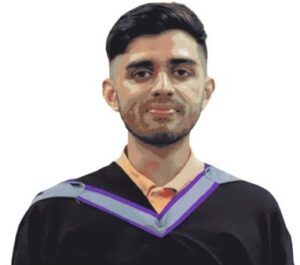
Yugant Ghimire (AI Engineer-Activist): Representing the technical professional class within the movement, the 27-year-old artificial intelligence engineer articulates broader systemic concerns beyond immediate triggers. His emphasis on removing “old leaders” and addressing “rampant corruption” reflects generational frustration with traditional politics. Ghimire embodies the educated urban youth demographic that forms the movement’s backbone, bringing technological literacy and professional credibility to grassroots organizing efforts.
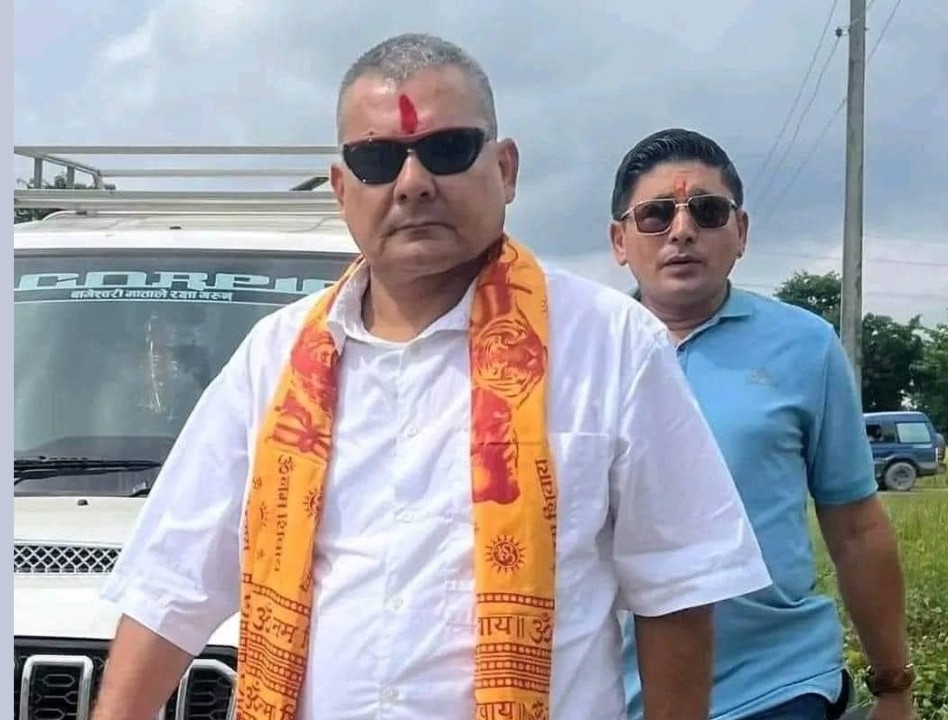
Durga Prasai (Pro-Monarchy Leader): Leader of the Campaign to protect nation, nationalism, religion, culture and citizens, Prasai has emerged from separate pro-monarchy protests. While representing different ideological currents than the Gen Z movement, his ability to mobilize supporters demonstrates alternative leadership emerging from Nepal’s political ferment. His detention and subsequent supporter demonstrations reveal his capacity to maintain influence even while restricted, suggesting enduring organizational capabilities and popular base.
Kulman Ghising (Former NEA Chief): The 54-year-old electrical engineer emerged as an unexpected frontrunner for interim Prime Minister during the current crisis. Known for solving Nepal’s decades-long load-shedding problem within two months of taking office in 2016, eliminating up to 18 hours of daily power cuts, Ghising represents technocratic competence over traditional politics. His dismissal as Nepal Electricity Authority chief earlier in 2025 sparked street protests, and Gen Z protesters now consider him a credible alternative leader. His transformation from bureaucrat to popular political figure exemplifies how technical expertise can gain mass appeal during governance crises.
Revolutionary moments inevitably produce the leaders who shape post-revolutionary societies. Nepal’s current upheaval follows this historical pattern, with diverse voices emerging from street protests to articulate generational demands for change. These leaders, forged in confrontation with established power, now carry the responsibility of translating protest energy into sustainable political transformation.
About The Author