Hospitality sector set to benefit as region advances twin goals of conservation and renewable energy adoption
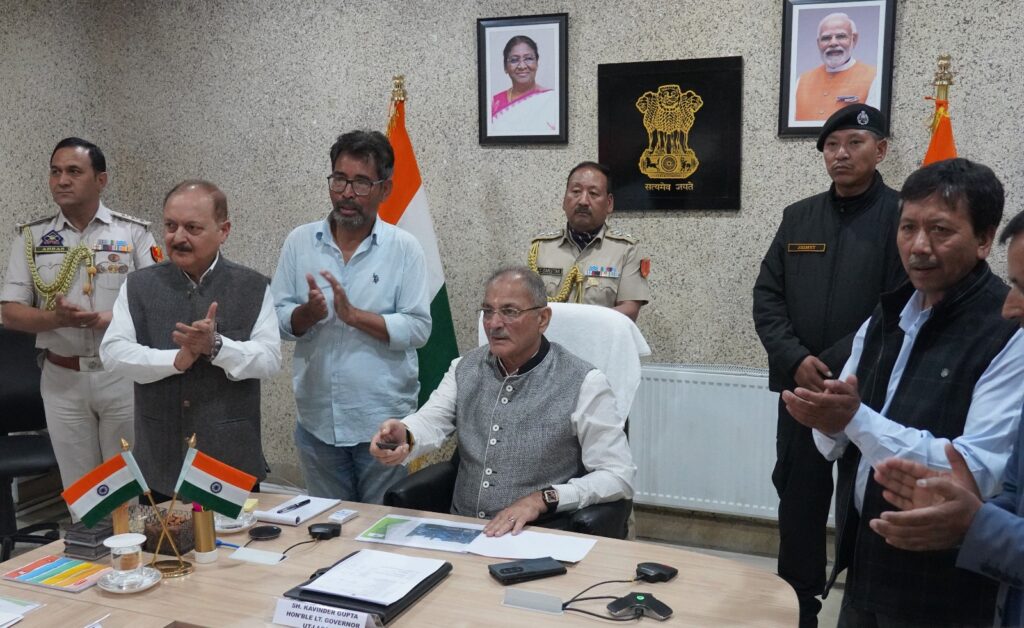
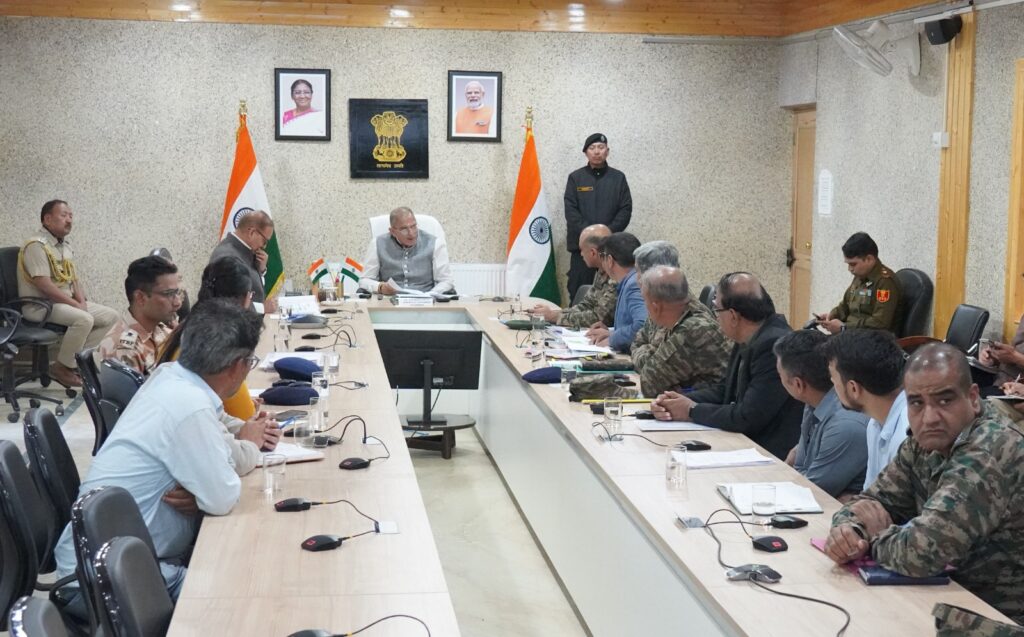
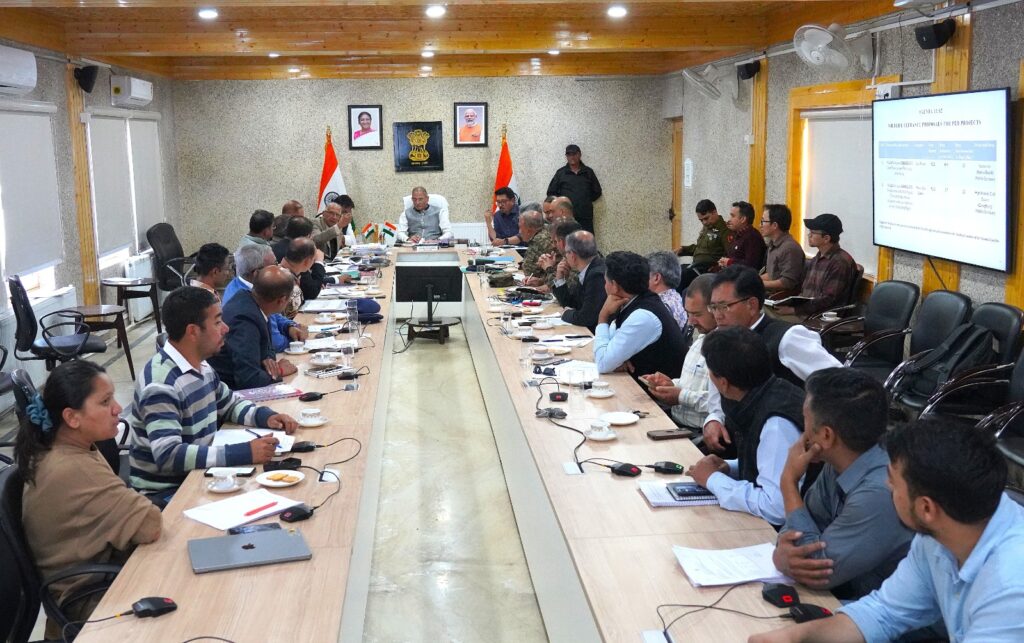
In a significant demonstration of Ladakh’s commitment to environmental stewardship, Lieutenant Governor Kavinder Gupta chaired two pivotal initiatives yesterday that underscore the region’s balanced approach to development and conservation.
During the 13th State Board for Wildlife meeting, LG Gupta cleared several Defence and Public Works Department projects while emphasizing the critical importance of balancing national security requirements with the protection of Ladakh’s unique biodiversity and high conservation value areas. The board’s deliberations focused on ensuring that developmental activities align with the region’s ecological preservation goals, recognizing Ladakh’s status as a biodiversity hotspot in the trans-Himalayan region.
The Lieutenant Governor stressed that while national security remains paramount, any developmental interventions must be implemented with careful consideration of the fragile ecosystem that characterizes Ladakh’s high-altitude desert landscape. This approach reflects the administration’s commitment to sustainable development practices that honour both strategic imperatives and environmental responsibilities.
In a complementary environmental initiative, LG Gupta inaugurated a special solar rooftop scheme specifically designed for commercial establishments across Ladakh. This strategic program represents a cornerstone in the region’s ambitious journey toward achieving carbon neutrality, positioning Ladakh as a leader in renewable energy adoption within the Himalayan region.
The solar rooftop initiative promises direct and substantial benefits for the hospitality sector, particularly hotels and guest houses that form the backbone of Ladakh’s tourism economy. By reducing dependency on conventional energy sources, these establishments will experience significant operational cost reductions while contributing to the region’s broader environmental goals.
LG Gupta highlighted that this dual approach—protecting existing natural resources while accelerating clean energy adoption—exemplifies Ladakh’s comprehensive environmental strategy. The convergence of wildlife conservation measures with renewable energy initiatives demonstrates how policy frameworks can simultaneously address security concerns, economic development, and ecological preservation.
These coordinated efforts position Ladakh as a model for sustainable development in sensitive ecological zones, where traditional conservation approaches integrate seamlessly with innovative clean energy solutions to create a holistic environmental management framework.
About The Author