From Soviet Import to Indian Legend: MiG-21’s 62-Year Journey Ends at Chandigarh
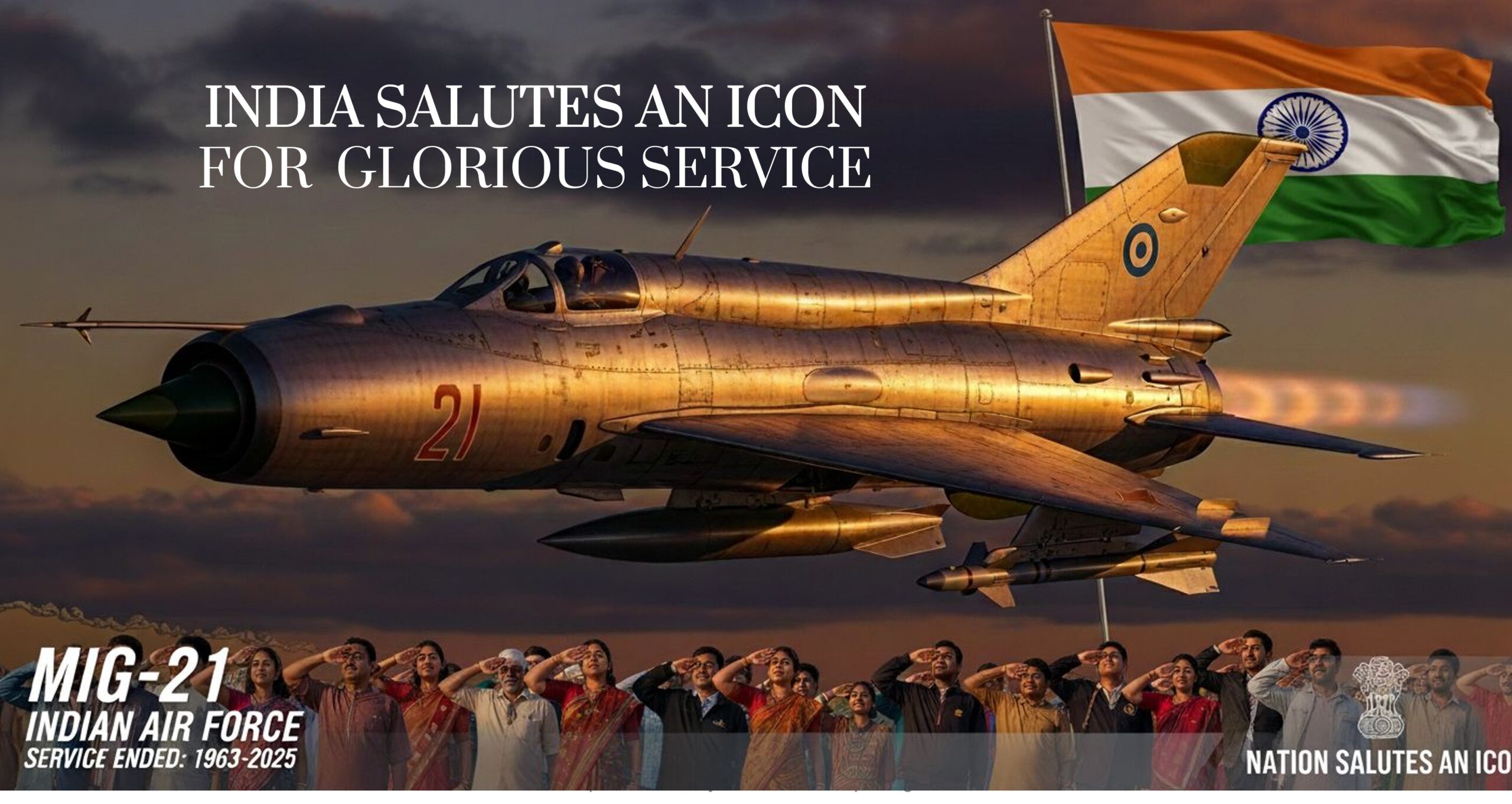
After six decades of defending Indian skies, the MiG-21 fighter aircraft is preparing for its final bow. On September 26, 2025, the last active squadron of these legendary jets will take off from Chandigarh, bringing down the curtain on one of the most significant chapters in Indian Air Force history.
The MiG-21’s story began in 1963, when India urgently needed supersonic fighters following the 1962 China war and Pakistan’s acquisition of American F-104 Starfighters. The Soviet Union’s response came in the form of these sleek, delta-winged aircraft that could break the sound barrier with ease.
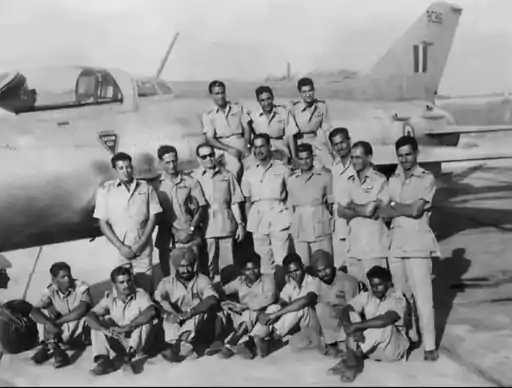
Chandigarh holds special significance in the MiG-21’s Indian journey. What was meant to be a temporary six-month deployment stretched into two years, establishing the city as the birthplace of India’s supersonic aviation capabilities. The Number 28 Squadron, formed here in March 1963 under Wing Commander Dilbag Singh, earned the prestigious title of “First Supersonics.”
The aircraft proved its mettle in multiple conflicts. During the 1965 and 1971 wars, MiG-21 squadrons provided crucial air superiority. In the Kargil conflict, these fighters again demonstrated their effectiveness. Most recently, Wing Commander Abhinandan’s successful engagement against a Pakistani F-16 using a MiG-21 Bison showcased the aircraft’s enduring combat capability.
However, the MiG-21’s service record carries shadows alongside its achievements. With over 400 crashes and more than 200 pilot fatalities, the aircraft earned the grim moniker “flying coffin.” Recent years saw seven crashes between 2021 and 2023, intensifying calls for retirement.
As modern fighters like Rafale and indigenous Tejas take over, the MiG-21’s retirement represents India’s technological evolution while honoring a faithful guardian that served far beyond its intended lifespan.
This archival photograph from 1963 shows the establishment of the MiG-21 operational base in Chandigarh. (file)
About The Author