Air quality in Delhi slips to ‘poor’, triggering GRAP Stage-1 curbs; early Himalayan snowfall and La Niña conditions may make 2025 one of India’s coldest winters in a century.

New Delhi/Bhopal/Lucknow | October 14
Delhi’s air quality slipped into the ‘poor’ category on Tuesday, prompting the government to enforce Stage-1 of the Graded Response Action Plan (GRAP) ,the first anti-pollution measures of this season. These include controlling dust at construction sites, banning open waste burning, and ensuring regular road cleaning. The city’s average Air Quality Index (AQI) stood at 211, marking a steady decline in air conditions.
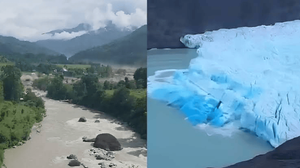
Meanwhile, winter has arrived early across parts of northern and central India. Meteorologists report that 86% of the upper Himalayas are already covered in snow ,nearly two months ahead of schedule. The early snow cover, aided by recent western disturbances, has kept temperatures 2–3°C below normal across the Himalayan belt.
Experts say this could make 2025 one of the three coldest winters in over a century. With La Niña conditions expected in December , a phenomenon linked to cooling of the Pacific Ocean India may experience more rain and a sharper fall in temperatures.
In Madhya Pradesh, Bhopal recorded 15.8°C, 3.6°C below normal, the lowest October temperature in 26 years. Rajasthan’s Sikar district dipped below 15°C, signaling the onset of cold nights. In Uttarakhand and Himachal, higher reaches like Kedarnath and Hemkund Sahib are already blanketed in snow.
Scientists note that this early snowfall could recharge Himalayan glaciers for up to five years, ensuring steady water flow in northern rivers even as global temperatures show a temporary dip due to La Niña.
About The Author