
As back-channel diplomacy collapses and Israeli strikes target senior Iranian commanders, Tehran doubles down on confrontation while widening retaliatory strikes across the Gulf
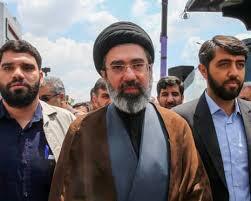
Iran’s Supreme Leader Ayatollah Mojtaba Khamenei has flatly rejected ceasefire proposals conveyed by two intermediary nations, declaring that defeating the United States and Israel remains Tehran’s non-negotiable objective. In his first foreign policy session, Khamenei reportedly adopted a “very tough and serious” stance on retaliation, though his physical presence at the meeting remains unconfirmed.
The rejection comes amid a sharp escalation in Israeli strikes on Iranian leadership. Israel announced the killing of General Gholam Reza Soleimani, commander of the Revolutionary Guards’ Basij force the unit accused of violently suppressing domestic protests in a Monday strike. Israeli Defence Minister Israel Katz further claimed that security chief Ali Larijani was also “eliminated,” though Larijani’s office subsequently published a handwritten note by him, casting doubt on Israel’s claim.
Iran, meanwhile, has broadened its regional offensive. Iranian strikes have targeted energy infrastructure across Gulf neighbours, including an oil facility in Fujairah on the UAE’s eastern coast.
With back-channel diplomacy stalled, leadership targeted, and retaliatory strikes widening, the Middle East appears firmly locked in an accelerating cycle of confrontation with no diplomatic off-ramp in immediate sight.
About The Author