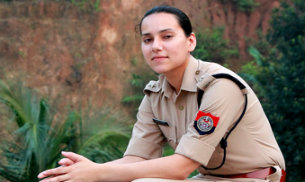
Dr. Sanjukta Parashar, the first woman to be appointed as the IG (Inspector-General) of the CRPF’s CoBRA Special Operations Unit and also being a Senior IPS Officer represents a major shift for women in front-line combat leadership positions.
Despite decades of conversation surrounding women working on the front line in the military and para-military forces throughout India, many have been hesitant due to various reasons including harsh environment, lengthy periods of time away from family/friends/colleagues in remote jungles, social/cultural norms etc. to limit women to roles in administration, intelligence and support functions. This comes a long way since 925 AD, almost 1000 years ago when Queen Didda of Kashmir (Didda-The Warrior Queen Of Kashmir by Rupa Publications and Prabhat Prakashan) laid the foundation of world’s first commando elite and the first organised counter intelligence network across central Asia. It was her military genius that ensured no invader could cross into India during her reign of nearly 52 years. The combat strategy of Queen Didda defeated the dreaded Mahmud of Gazni twice.
Dr. Sanjukta Parashar now heads the CoBRA battalion which specializes in jungle warfare and counter-guerrilla insurgency. She will operate within an environment that requires constant adaptation to ambiguous situations and frequent confrontation. The fact that Dr. Parashar has taken command of this specialized unit clearly shows that there is no correlation between gender and operational effectiveness, that front-line command is based upon merit, ability to withstand adversity, and capability to provide strategic direction.
What is particularly relevant about Dr. Parashar’s appointment is that it eliminates any perception of tokenistic symbolism. Dr. Parashar has earned the nickname “the Iron Lady of Assam.” Dr. Parashar developed her skills operating directly in combat. As Superintendent of Police in Sonitpur District, Dr. Parashar accompanied her police personnel through dense jungles while providing operational directives during high-pressure counter-insurgent campaigns directed against groups such as the North East Democratic Front-Bodo Security Force.
Following her tenure in the National Investigation Agency, Dr. Parashar demonstrated how effective kinetic battle experience can be combined with high level counter-terrorism intelligence analysis. Counter-terrorism involves kinetic dominance but cannot be successful without acute analytical insight; Dr. Parashar has experience in both realms.
Asymmetric warfare, whether tracing insurgent column movements through red corridor forests of central India or managing volatile operationally-sensitive areas like Manipur; does not follow clean lines. CoBRA commandos are trained for survival when ambushed, for high risk tactical attacks and for IED neutralization under extreme physical duress.
Placing a woman in charge of ten special strike battalions fundamentally changes the organizational thinking. Although inducting women into the ranks of the Central Armed Police Forces’ commandos represented important initial successes, placing a woman in operational command of elite combat units changes organization-wide culture from the top down, demonstrating to all soldiers in uniform that battlefield authority comes solely from decision making while under fire.
A transformation is quietly happening in the structure of India’s national security apparatus. As well as being found at all levels of operational hierarchy, from cockpits for fighters in the Indian Airforce and warships to various other specialist detachments involved in maintaining internal security in India, women are now increasingly occupying positions of authority within each of these.
However, one of the most difficult challenges remaining for women within the military hierarchy is leading an elite unit. The appointment of Dr. Sanjukta Parashar as head of CoBRA (Commando Battalion for Resolute Action) is therefore significant not only because she has broken a long-standing barrier for women, but also because it demonstrates that there can be no monopoly on the ability to lead in combat operations. What defines leaders today; whether they are male or female – is not simply gender, but rather whether or not the leader possesses the same level of mental toughness and physical courage as those who have come before them.
About The Author