130 million voters, historical stakes, and New Delhi’s calculated reassessment of the BNP
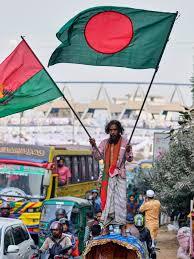
India is on high alert as Bangladesh prepares for national elections on February 12 the first since a student-led uprising toppled Sheikh Hasina in August 2024. For New Delhi, the outcome carries profound strategic weight.
Nearly 130 million Bangladeshis will vote across 43,000 polling stations under an interim government led by Nobel laureate Muhammad Yunus. The political landscape has shifted dramatically, with the late Khaleda Zia’s Bangladesh Nationalist Party (BNP), now led by her son Tarique Rahman, positioned as a major contender. India has historically viewed the BNP with suspicion, preferring Hasina’s Awami League, rooted in the 1971 liberation war when India intervened militarily to help Bangladesh gain independence from Pakistan.
That intervention triggered by a brutal crackdown and the exodus of 10 million refugees into West Bengal cemented deep ties between the two nations. Prime Minister Indira Gandhi’s decisive action led to Pakistan’s surrender in Dhaka within two weeks, birthing Bangladesh.
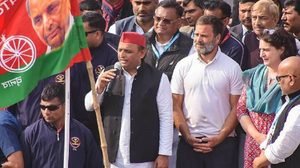
Also read: Akhilesh Yadav to take final call on SP-Congress seat-sharing, says Samajwadi Party leader
Now, with Hasina exiled in Delhi and political realities forcing recalibration, India must navigate a Bangladesh that may no longer be led by old allies.
What was at stake
Bangladesh voted on 12 February 2026 in its first general election since the student-led uprising of 2024 ended Sheikh Hasina’s 15-year rule. Around 127 to 128 million people were registered, with polling at 42,761 centres for 300 constituencies, according to Al Jazeera and Reuters. Voters also took part in a referendum on a reform charter that includes prime-ministerial term limits, a new upper house and greater judicial independence, according to AFP.
The contest was between the BNP led by Tarique Rahman and an alliance led by Jamaat-e-Islami under Shafiqur Rahman. Outlook noted that both have historically cooler ties with India than the Awami League, whose party was banned. About 44 per cent of voters were aged 18 to 37, according to UCA News. Intellinews reported that the BNP was heading for a strong showing, while Ms Hasina, who lives in exile in India, rejected the process and alleged irregularities.
Sources: Al Jazeera (11 February 2026); Reuters via ARY News; AFP via Jakarta Post; Outlook India; UCA News; Oneindia; Intellinews.
About The Author

The day’s verified news, in your inbox
One short email every morning with our original reporting. Free, and you can unsubscribe at any time.
Prefer WhatsApp? Get our top stories on our channel.
Follow us on WhatsApp