
A journey to find a 20 million dollar currency note in Delhi
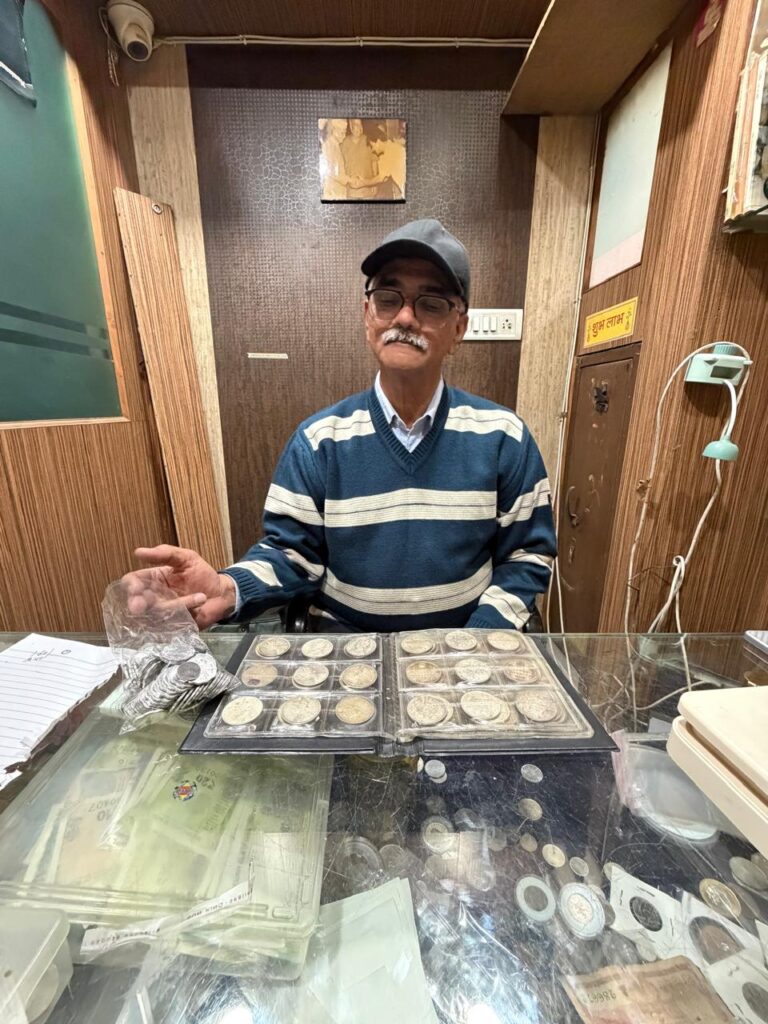
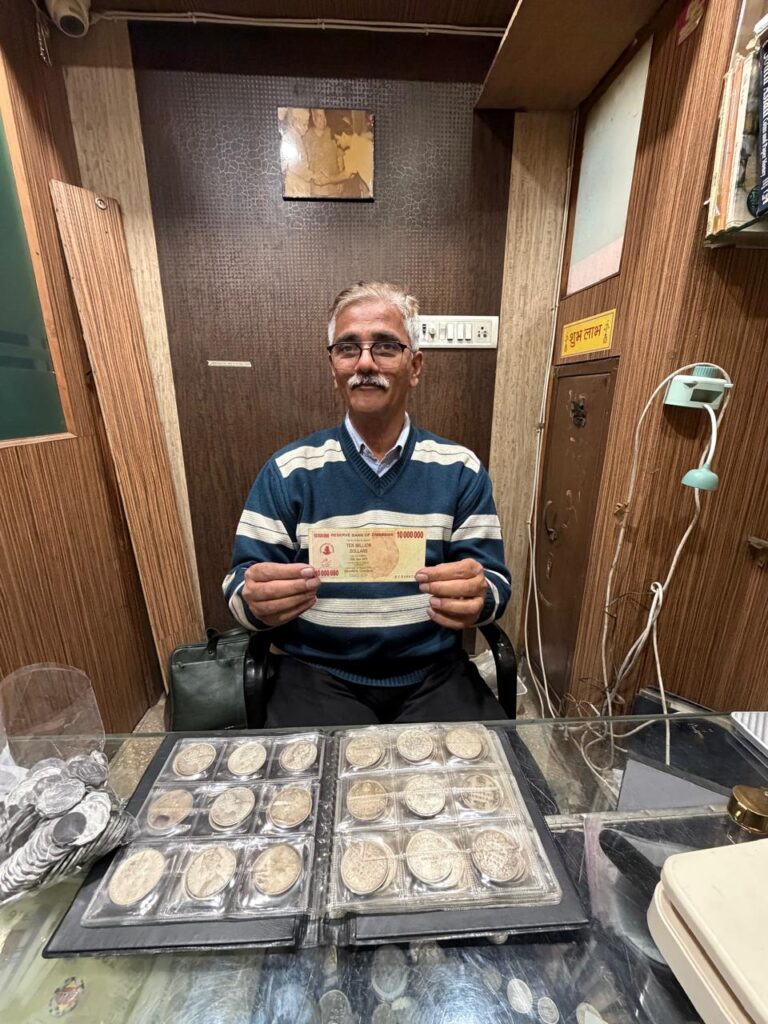
I went looking for old coins. The kind that jingled in your grandfather’s pocket before the Reserve Bank quietly retired them. Anna coins. Naya paise. Small, forgotten metal ghosts of pre-decimal India.
What I found instead was a banknote worth twenty million dollars.
Karol Bagh doesn’t reveal itself to the uninitiated. You have to know what you’re looking for past the electronics dealers and saree showrooms, down bylanes that narrow like sentences losing confidence, into a building with no sign, up a staircase with no ambition, to a room approximately the size of a generous bathroom. This is Rajneesh Jain’s domain.
Five by six feet. Shelves lined with plastic sleeves. Decades of accumulated expertise arranged with the quiet precision of a man who has never needed to explain himself. No spotlights. No velvet rope. Just the serious, unperformative order of someone who genuinely knows things.
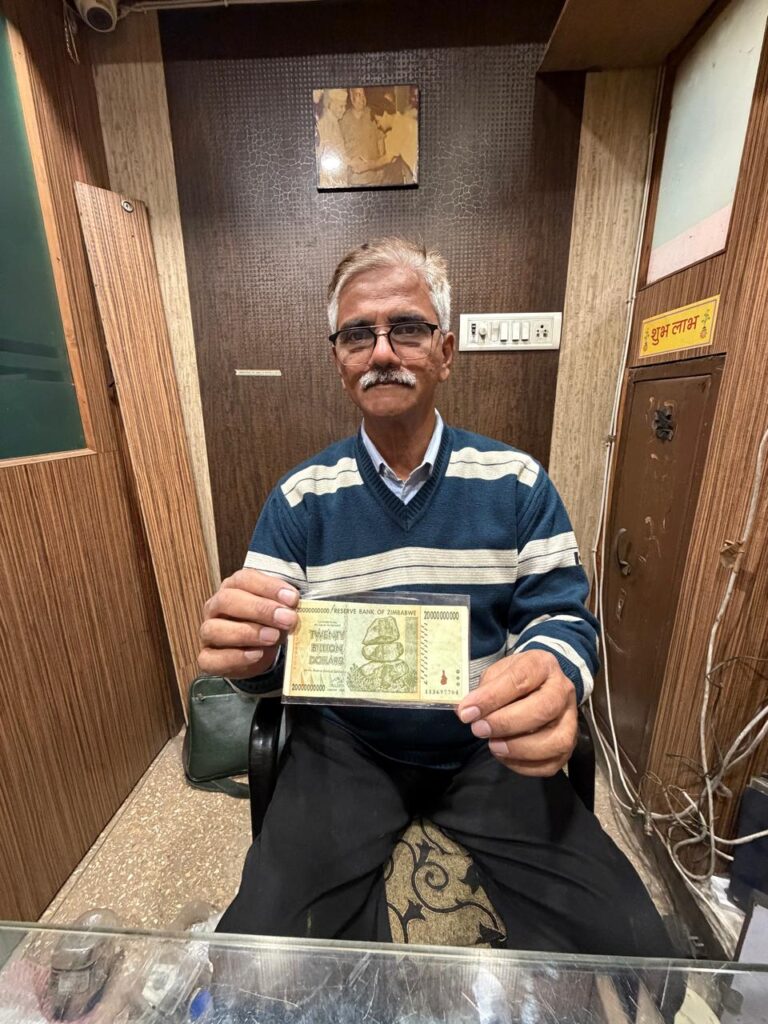
He reached past my request and placed something in my hand without ceremony: a crisp, official, government-issued Zimbabwean Twenty Million Dollar note.
This is not a novelty. Not a prop. It bears a governor’s signature, a sovereign seal, security threads — every visual grammar of legitimate currency, printed with complete bureaucratic seriousness by a government that had completely lost its mind economically. Between 2007 and 2009, Zimbabwe experienced hyperinflation estimated at 89.7 sextillion percent at its November 2008 peak. Prices doubled every 24 hours. Not yearly. Not monthly. Daily. By mid-2008, Z$100 billion couldn’t buy three eggs. The government responded the only way it knew how: keep printing. Fifty million. One hundred billion. Eventually, one hundred trillion dollars — enough, just barely, for a loaf of bread.
The twenty-million-dollar note sits at the modest, almost quaint end of this surreal ladder.
Today, it commands genuine collector’s value worldwide — a perfect irony so precise it feels designed. The instrument created to represent value, which catastrophically failed at that singular purpose, now has value precisely because it no longer functions as currency. It is worth something because it was worth nothing.
Rajneesh Jain returned the note to its sleeve with practiced calm. He then, without drama, found my discontinued Indian coins.
As I left, he mentioned quietly that he wasn’t sure his children would carry this forward. He said it without bitterness. Just the dignified exhaustion of someone who has done something important for decades without anyone building him a room worthy of it.
Some of the world’s most important archives have no sign on the door.
And some of the most urgent questions about what we choose to preserve begin in a fluorescent-lit bylane in West Delhi
About The Author