And why India has a seat worth playing
Author: Anupam Chaturvedi
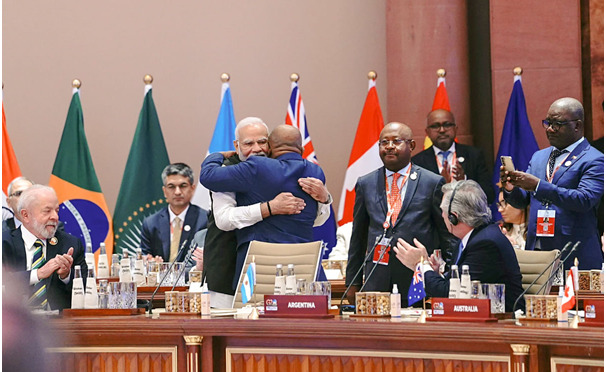
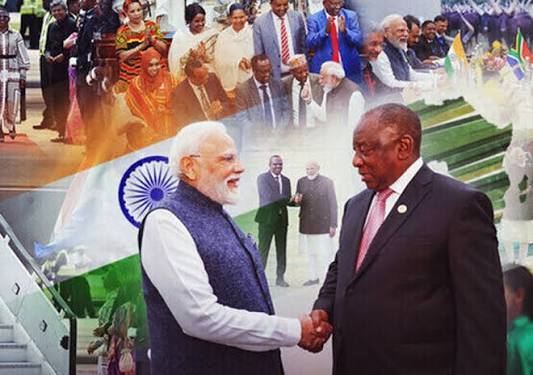
Picture a grand banquet hall where the world’s major powers have gathered, each eyeing the same seat at the table a seat labelled “Africa.” China arrived early with infrastructure loans and mining concessions. The United States pulled up a chair for critical minerals and digital deals. The European Union brought its clean-energy proposals. Russia came through the security door. And in the middle of this crowded room stands India, not pushing for the loudest seat, but quietly offering something the others don’t: a shared history of standing on the same side of colonialism, and a track record of building capacity rather than extracting it.
This is not a metaphor born of exaggeration. It reflects a real and rapidly intensifying scramble. The Russia-Ukraine war, turbulence in West Asia, the US-China rivalry, and the global race to secure supply chains have together pushed Africa from the periphery of geopolitics to its center. A continent that was once discussed mainly in the context of aid is now discussed in the context of leverage.
Why the World Suddenly Cares
The numbers explain the urgency. Africa is home to over 1.5 billion people, with the youngest population profile of any region on earth , a demographic dividend the rest of the aging world can only envy. Beneath its soil lies nearly 30% of the world’s known reserves of critical minerals: cobalt, lithium, manganese, platinum, rare earths, and graphite the raw ingredients of the electric-vehicle and clean-energy revolution. Add to this some of the fastest-growing consumer markets globally, and maritime chokepoints along the Red Sea, the Gulf of Aden, and the Mozambique Channel, and it becomes clear why Africa isn’t being courted out of charity. It is being courted out of necessity.
India’s Quiet Advantage
If China’s approach to Africa has often been described as transactional infrastructure for minerals, loans for leverage India’s pitch is structured differently, built on decades of South-South cooperation and a self-image as a development partner rather than a resource-extractor. This is not merely diplomatic branding; it opens genuinely distinct avenues.
Consider critical minerals first. India’s own ambitions in electric vehicles and renewable energy manufacturing depend on securing lithium, cobalt, nickel, and rare earths resources that sit abundantly in the Democratic Republic of Congo, Zambia, Namibia, Zimbabwe, and South Africa. Recent Indian policy signals suggest a more deliberate push to lock in these partnerships, treating mineral security the way earlier generations treated energy security.
Then there is the maritime dimension. The western Indian Ocean has grown tense with piracy, terrorism, vital shipping lanes, and perhaps most consequentially a growing Chinese naval footprint. India has responded by deepening defence and maritime cooperation with partners like Seychelles, effectively extending its strategic perimeter westward across the ocean it has long considered its own backyard.
Beyond hard security, India’s comparative advantages read almost like a checklist tailored to African development needs. Its digital public infrastructure identity systems, payments, e-governance, telemedicine offers African governments an affordable alternative to expensive proprietary Western systems. Its pharmaceutical sector, long known as the “Pharmacy of the Global South,” can extend into vaccine manufacturing, generic medicines, and medical education. Its experience in climate-resilient agriculture, technical education, and complementary manufacturing in textiles and renewables rounds out a partnership model built on capability transfer rather than mere capital transfer.
The Harder Truth
None of this unfolds automatically, though. Goodwill is not a substitute for execution, and India’s African ambitions run into real friction: China’s economic presence remains deep and well-entrenched, several African regions remain politically unstable, infrastructure financing is a persistent constraint, and Gulf and Western investors are competing for the same opportunities. Trade between India and Africa has grown meaningfully over two decades, but growing trade volumes and growing strategic depth are not the same thing. Converting summit-level diplomacy into on-the-ground projects roads built, factories running, universities functioning — requires a discipline that India’s private sector and bureaucracy have not always displayed.
What emerges, then, is less a guaranteed success story and more an open contest with a favourable starting position. Africa is unlikely to remain a two-power or three-power arena; it is becoming a genuine marketplace of partnerships, where nations increasingly choose diversification over dependence. India’s history, its technology stack, and its healthcare model give it a credible seat at that table but a seat is not a victory. The coming decade will decide whether India’s version of partnership, built on capacity rather than control, can outcompete rivals who arrived earlier and invested deeper. If it can, the India-Africa relationship may well become one of the defining South-South partnerships of this century not because India promised the most, but because it built the most trust.
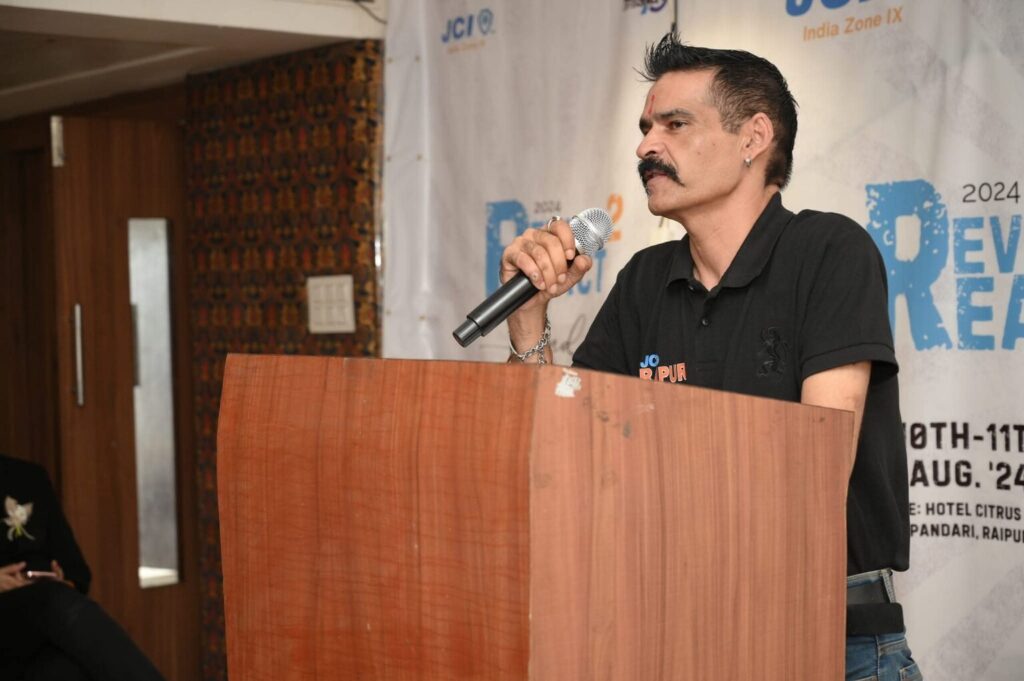
Note: Guest author Anupam Chaturvedi is a geopolitical analyst, author and life coach.
About The Author