2 min read · Updated 21 November 2026
With fuel costs surging and app aggregators squeezing margins, drivers say 15 years of fare stagnation has pushed them to breaking point
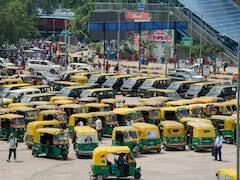
New Delhi: For commuters in the capital region, the week began with a simple question: how will I get to work? From 21 May, unions representing taxi, auto and goods-vehicle drivers across Delhi-NCR launched a three-day strike, saying that fares had not been revised for nearly 15 years while the cost of running a vehicle had risen sharply.
The strike call came from two directions. The Chalak Shakti Union and other driver groups wanted taxi and auto fares revised and stricter regulation of app-based aggregators such as Ola, Uber and Rapido, whom they accuse of exploiting drivers. Separately, the All India Motor Transport Congress (AIMTC), backed by more than 68 unions, called a “chakka jam” in protest at the Delhi government’s increase in the environment compensation cess on commercial vehicles and a proposed ban on older BS-IV diesel vehicles from November. Reports varied on who was actually off the roads: GKToday reported that some unions said the auto and taxi strike was on hold and the chakka jam covered only trucks and goods vehicles.
Also read: DMK’s Kanimozhi rejects BJP alliance buzz, defends support for Delimitation Bill
A squeeze from every side
Drivers describe costs closing in from all directions: CNG, petrol and diesel prices that rose twice in one week, amounting to nearly ₹4 a litre since 15 May, plus maintenance, insurance, loan EMIs and aggregator commissions. “We work ten to twelve hours and still cannot make ends meet,” said Chalak Shakti Union vice-president Anuj Kumar Rathore.
What commuters faced
Commuters were warned of long waits and possible surge pricing on app-based cabs, especially at airports, railway stations and metro hubs. Unions submitted a representation to Lieutenant Governor Taranjit Singh Sandhu and Chief Minister Rekha Gupta on 19 May, and warned that the agitation could intensify if the government did not notify revised taxi fares within two weeks. At the time of the strike, authorities had not announced any fare revision.
With reporting from multiple national news outlets.
About The Author

The day’s verified news, in your inbox
One short email every morning with our original reporting. Free, and you can unsubscribe at any time.
Prefer WhatsApp? Get our top stories on our channel.
Follow us on WhatsApp