How viral misogyny disguised as humor is normalizing violence, one share at a time
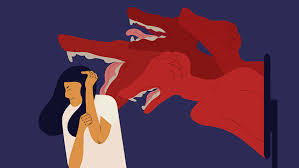
When Deputy Chief Minister Ajit Pawar’s plane crashed on January 28, 2026, claiming five lives including co-pilot Captain Shambhavi Pathak, some people in India’s digital spaces didn’t mourn they mocked. Within hours, misogynistic memes flooded social media, blaming Shambhavi for the crash solely because she was a woman. “Women haven’t learned to ride a scooter properly, let alone fly a plane,” jeered the trolls, conveniently ignoring that both pilots were highly experienced professionals and that visibility issues, not competence, likely caused the tragedy. This wasn’t an isolated incident of digital cruelty.
Just weeks earlier, the “blue drum” meme had consumed Indian social media following the brutal murder of merchant navy officer Saurabh Rajput in Meerut. His wife and her lover dismembered his body and sealed it in a blue drum—a horrific crime that spawned millions of “humorous” posts depicting men fearing their wives near blue barrels. Drum sellers reported plummeting sales; vendors switched to white drums to avoid “alarming” customers. The pattern is sickeningly familiar: tragedy strikes, gender angle emerges, memes follow, society laughs, repeat. Research reveals the scale of this digital epidemic.
Between 2018 and 2021, approximately two percent of tweets from India contained misogynistic content,translating to millions of hateful posts daily. Studies document six overlapping forms of online misogyny: sexist abuse, sexual objectification, threats of harm, asserting women’s inferiority, justifying violence, and dismissing feminist efforts. The pandemic only intensified this vitriol, with misogynistic content surging significantly after COVID-19’s onset. Meanwhile, offline violence mirrors online hatred. The National Crime Records Bureau reported 445,256 crimes against women in 2022,51 complaints every hour, a 31 percent increase since 2014. Over 31,000 rape cases, 60,577 pending dowry death cases, and one in three married women experiencing spousal violence paint a grim reality. Yet India has no dedicated legislation against gender-based cyber violence, allowing this toxicity to flourish unchecked.
Memes aren’t harmless jokes,they’re ideological weapons normalizing misogyny under the guise of humor. They reduce qualified professionals to gender stereotypes, transform brutal murders into punchlines, and silence women through mockery and objectification. When we smile at these memes, we participate in the erasure of women’s dignity, competence, and humanity. Every time we scroll past a misogynistic meme without reporting it, every time we remain silent when colleagues share one, every time we justify it as “dark humor,” we become complicit in a system that has registered 51 crimes against women every single hour. The blue drum isn’t just a meme,it’s a mirror reflecting our collective depravity. Shambhavi Pathak’s trolling wasn’t an aberration,it’s our default response to women who dare to occupy spaces we’ve historically denied them.
The media that amplifies these memes for clicks, the platforms that profit from this hatred, the influencers who legitimize misogyny as “edgy content,” and the millions who laugh and share,all are architects of a digital ecosystem where women’s pain is entertainment. We don’t need better laws or stricter moderation alone; we need a society that stops finding humor in horror. The question isn’t why these memes exist. The question is why we keep laughing. And until we answer that honestly, the next tragedy is already being packaged into the next viral joke, and the next woman is already being reduced to a punchline we’ll all pretend we didn’t see coming.
About The Author