
Apex court directs nationwide rollout of e-Zero FIR, faster victim compensation, and shared liability framework for cyber extortion victims
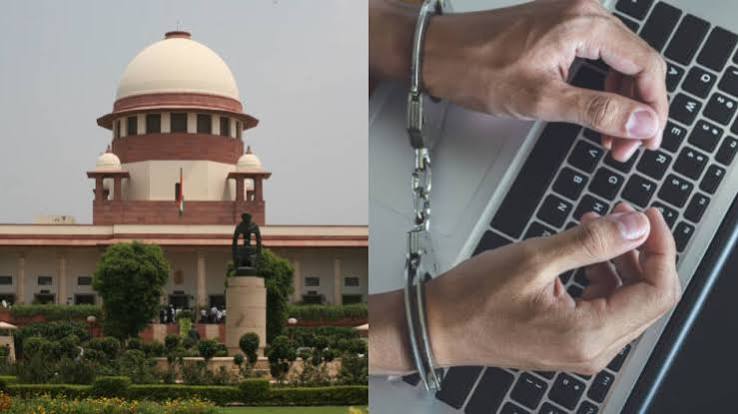
The Supreme Court on Tuesday expanded judicial oversight of India’s response to “digital arrest” scams, issuing a comprehensive set of directions to close procedural gaps in cyber fraud investigations and accelerate recovery of victims’ funds.
A bench led by Chief Justice of India Surya Kant, along with Justices Joymalya Bagchi and V. Mohana, ordered the Reserve Bank of India to formulate a standard operating procedure within four weeks specifically targeting mule bank accounts used to launder fraud proceeds. The court also mandated that all states operationalise cyber fraud grievance redressal and money-restoration systems, extend the e-Zero FIR mechanism nationwide, and directed the Union government to examine a shared liability and compensation framework for victims.
The bench was hearing a suo motu case tracking India’s institutional response to digital arrest fraud , a scheme in which perpetrators pose as police, CBI officers, or judicial authorities to coerce victims into transferring money during extended video calls involving psychological pressure and threats of arrest.
The hearing drew on the fourth status report filed by the Indian Cyber Crime Coordination Centre (I4C), under the Union Home Ministry, alongside submissions from Attorney General R. Venkataramani and amicus curiae, senior advocate N.S. Nappinai. The court underscored that continued institutional vigilance remains critical to countering the evolving threat.
About The Author