
Satellite tracking and INTERPOL cooperation power India’s crackdown on absconding criminals, with narco-terrorism suspects now top priority through 2029
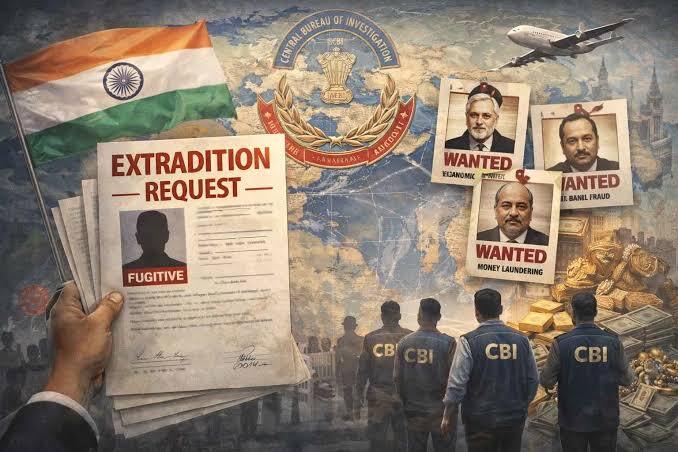
India has repatriated 274 fugitives from 36 countries over the past seven years, the government announced Tuesday, crediting a mix of satellite imagery, digital surveillance and international coordination for tracking down suspects wanted in terrorism, organised crime and narco-terrorism cases.
The operation, codenamed Trishul, was designed to pinpoint fugitives’ geo-locations even after they altered their names or identities overseas. Working with INTERPOL, agencies including the Intelligence Bureau, CBI, Research and Analysis Wing and state police forces used profile-mapping and digital footprints to locate targets who believed they had vanished abroad, officials said.
Government data shows 17 of the 274 fugitives faced terrorism and narco-terrorism charges, 42 were wanted for organised crime and extortion, and 53 were booked in sexual offence cases, including under the POCSO Act. The pace has accelerated sharply: 70 fugitives were returned in 2025 alone, with 45 more brought back through July this year.
Union Home Minister Amit Shah credited the initiative as a marked departure from earlier practice, noting on X that India now returns dozens of fugitives annually compared with roughly four per year under the previous UPA government.
Security officials say the numbers will climb further, with agencies compiling a list of narco-terrorist fugitives targeted for return before 2029 as part of a broader three-year roadmap. One suspect has reportedly already been detained abroad, with deportation arrangements underway.
About The Author