
Business Conclave Transforms Diaspora Intellectual Capital Into Coordinated Think Tank for Next-Generation Entrepreneurs
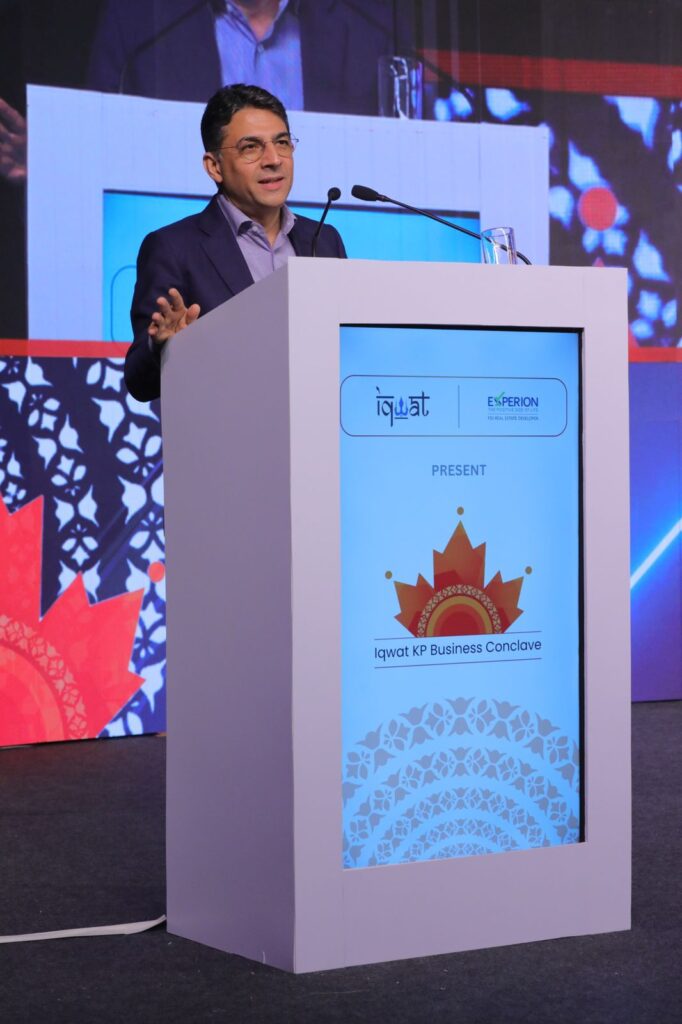
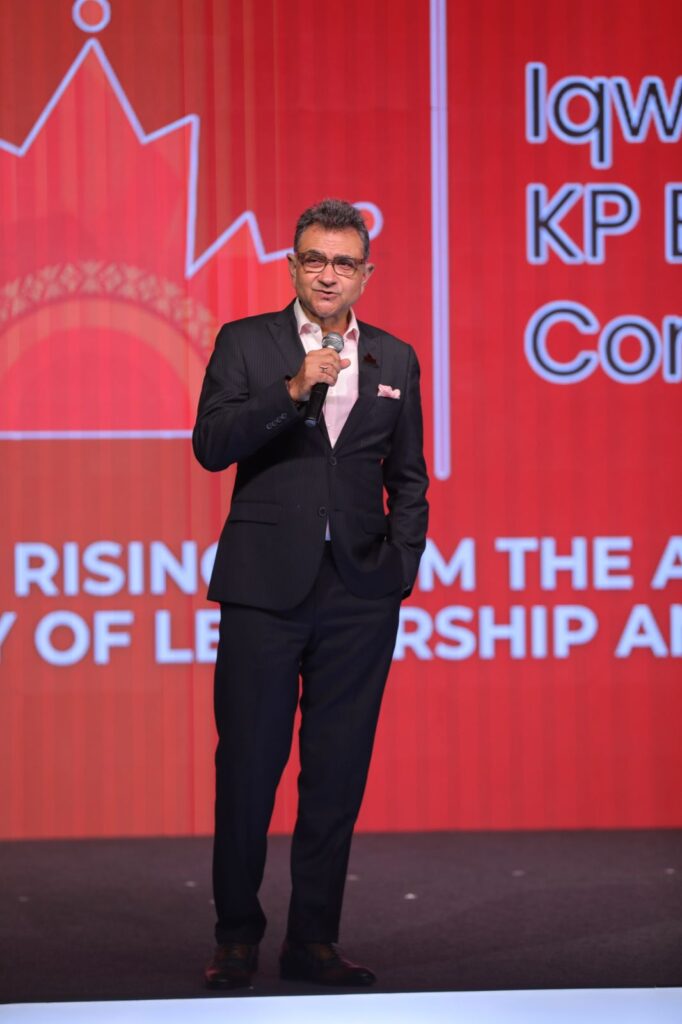
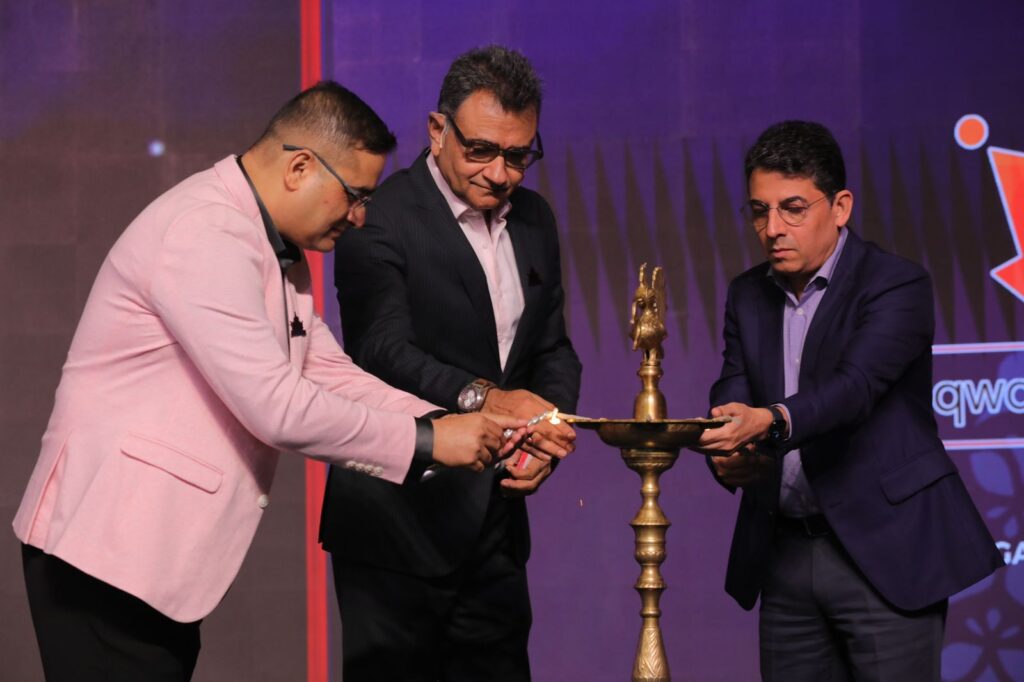
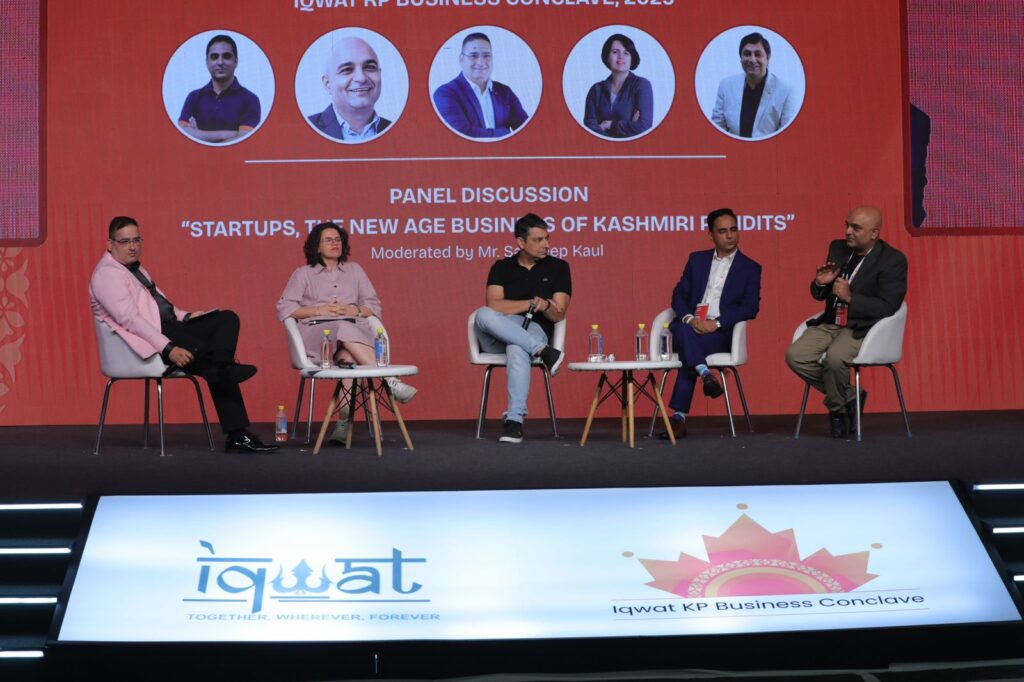
GURUGRAM, November 2, 2025 The IQWAT Foundation has formalized the Kashmiri Pandit global network as a coordinated economic think tank, announcing the launch of the IQWAT Startup Fund at its landmark business conclave held yesterday.
The gathering united chairmen of multinational corporations, unicorn founders, and media executives collectively managing billions in assets. Their mission: transform individual success into systematic institutional power through “organized intelligence “the strategic deployment of collective knowledge and networks.
“What distinguishes a think tank from a social group is structure, purpose, and execution,” said Ajay Kaul, IQWAT Foundation founder. “We’re not preserving culture through nostalgia. We’re advancing it through economics.”
Chief guest Arvind Tiku, founder of AT Capital, outlined the financial architecture required for sustainability. “Institutions require funding beyond goodwill. We have members running billion-dollar operations. The question isn’t capacity—it’s priority,” Tiku stated, emphasizing that resilience compounds into structural advantage. His keynote crystallized the community’s competitive strength: “Markets reward persistence more than brilliance. Our community has been stress-tested by history. That’s not a narrative point it’s a business advantage.”
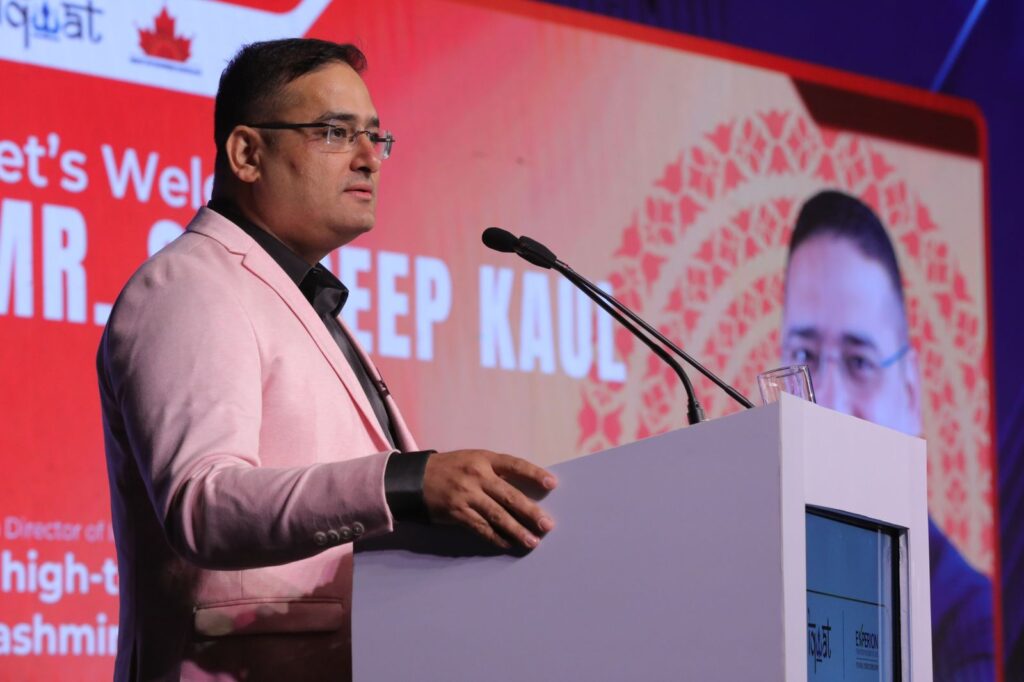
Sandeep Kaul, Foundation director and Hipla founder, detailed the Startup Fund’s dual model: providing capital alongside operational expertise from executives who have scaled businesses globally, treating knowledge as an asset class equivalent to financial capital. The fund will reduce early-stage friction by connecting entrepreneurs with pattern recognition from operators who have navigated similar challenges across continents and sectors.
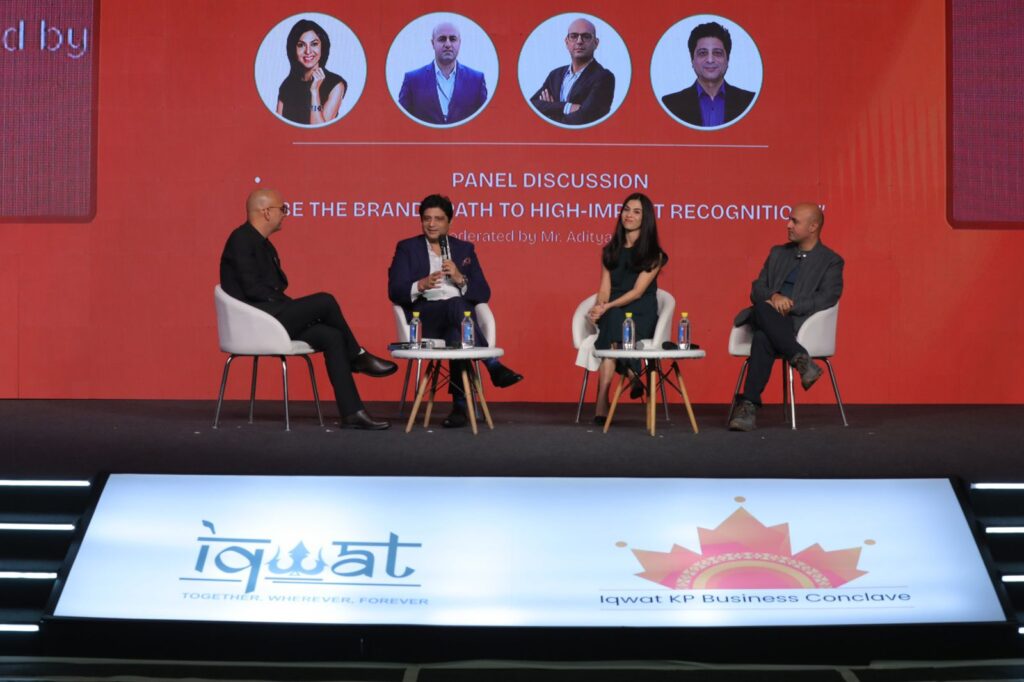
Three strategic panels defined the community’s positioning. The leadership panel featured K.B. Kachru (Radisson Hotel Group South Asia), Pankaj Razdan (Edelweiss Wealth), Anshuman Magazine (CBRE), and author Rakkesh Kaul, identifying trustworthiness as the primary market differentiator. In an economy built on complexity and opacity, the capacity to be trusted partners across transactions creates compounding opportunities that transcend individual deals.
The startup panel included Upasana Taku (Mobiwik), Vivek Raina (Excitel Broadband), Amit Boni (Ensuredit), and Rohit Razdan (Tanacity), sharing operational frameworks for building scalable businesses. Their discussion addressed the community’s transition from traditional professional paths to entrepreneurial ventures, emphasizing how the Startup Fund’s dual capital-expertise model can accelerate growth trajectories.
The media panel featured Shereen Bhan (Managing Editor,CNBC), Aditya Raj Kaul (Executive Editor,NDTV), and Dr.Ashish Kaul (Prominent Business leader, Author and Managing Editor, www.NewsTrustIndia.com) exploring strategies for converting professional accomplishment into market recognition and building brands that carry weight in competitive global markets. The focus remained practical: how collective reputation can amplify individual positioning and create market differentiation.
The Foundation’s IQWAT 2.0 platform, launching in coming months, will serve as operational infrastructure, a mobile application facilitating professional connections, commercial transactions, and structured mentorship pathways between established leaders and emerging entrepreneurs. What makes it significant is the network density: thousands of professionals across industries and geographies who share heritage and the trust required for rapid collaboration. The technology is straightforward, but the connected network represents decades of accumulated professional capital.
The conclave marks a transition from viewing cultural preservation and economic advancement as separate tracks to treating them as integrated objectives that reinforce each other. The approach is neither sentimental nor casual it’s a calculated deployment of accumulated advantages including intellectual capital, professional networks, and proven operating capabilities into structures designed to compound benefits across generations.
The initiative represents a pragmatic shift in how successful diaspora communities approach legacy. Rather than focusing on cultural loss, the leadership is concentrating on competitive advantages that have driven disproportionate success in global business, technology, and media sectors, now channeling those advantages into permanent institutional frameworks.
“We’ve been successful as individuals. Now we’re organising as an institution. That’s the only way excellence becomes systematic rather than accidental,” Kaul concluded. The test will be execution: whether capital, expertise, and networks translate into sustained institutional impact through operational discipline over coming years.
About The Author



All the best !