
Ancient Ayurvedic remedy meets modern nutrition science in this fiber-rich, antioxidant-loaded seasonal delight
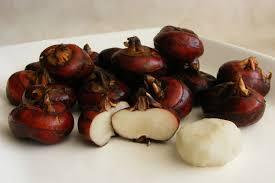
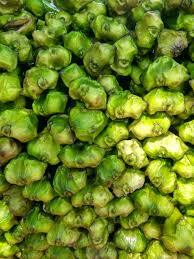
As winter markets overflow with distinctive horn-shaped water chestnuts (singhara), nutrition experts are calling this aquatic vegetable a genuine superfood worthy of your attention. Once prized solely in Ayurvedic medicine for its cooling properties, contemporary nutritional science now validates what ancient wisdom long proclaimed.
According to research published in The Journal of Phytopharmacology, water chestnuts deliver an impressive micronutrient profile including manganese, copper, and vitamin B6:all while remaining virtually fat-free and remarkably low in calories.
Nutritional Powerhouse in Numbers
Per 100 grams, water chestnuts provide approximately 97 calories, 23.9g carbohydrates, 3g fiber, 2g protein, and negligible fat. But the real magic lies in their mineral content: significant amounts of potassium (584mg), magnesium, phosphorus, and copper combine with vitamins B6, E, and C to create what Dr. Poonam Tiwari, Senior Dietitian at Dr. Ram Manohar Lohia Institute of Medical Sciences, Lucknow, calls “nature’s perfectly balanced winter snack.”
Ten Health Benefits That Matter
Research from the International Journal of Plant and Soil Science highlights water chestnuts’ multifaceted health advantages: improved digestion due to high fiber content, blood sugar regulation thanks to their low glycemic index, enhanced heart health from potassium, natural energy boost from healthy carbohydrates, and potent anti-inflammatory effects from antioxidants.
Additional benefits include weight management support (low-calorie, high-satiety), better gut health, glowing skin from vitamin C, improved hydration from 74% water content, and strengthened immunity. The combination makes them particularly valuable during winter months when immunity typically needs extra support.
Raw or Boiled? The Great Debate
Both forms offer nutritional value, though with different advantages. Raw water chestnuts retain maximum nutrients and natural sweetness but require thorough washing to eliminate bacteria from aquatic environments. Boiling makes them gentler on sensitive digestive systems and eliminates impurities, though some nutrients diminish during cooking.
Dr. Tiwari recommends boiled water chestnuts for those experiencing gas, bloating, or weak digestion, while raw consumption suits those with robust digestive systems.
Culinary Versatility Beyond Snacking
Water chestnuts adapt brilliantly to various preparations: eaten raw after peeling, boiled or roasted as snacks, added to salads and fruit chaat, incorporated into curries and stir-fries, blended into smoothies, or ground into flour for rotis, pancakes, and fasting-friendly dishes.
The Safe Zone: Recommended Quantities
Healthy adults: 8-10 pieces daily Children: 2-3 boiled pieces Diabetics: Limited portions (low GI but monitor total carbs) During fasting: Maximum 2 rotis or 1 bowl halwa made from water chestnut flour
Who Should Exercise Caution?
Despite being generally safe, certain individuals should limit or avoid water chestnuts: those with kidney disease (high potassium concerns), people with food allergies, individuals with chronic digestive issues, and young children (choking hazard with raw chestnuts). Always consult healthcare providers if on long-term medications.
Shopping Smart
Choose firm, solid chestnuts with smooth, uniformly colored skin. Avoid those with black spots, mold, cracks, or soft texture. Fresh water chestnuts feel substantial,avoid lightweight, hollow-feeling ones. When buying flour, verify manufacturing dates and brand credibility.
About The Author