
The 57th GST Council meets this week to weigh decriminalisation, easier compliance and sector-specific relief, a year after cutting the rate structure to two slabs
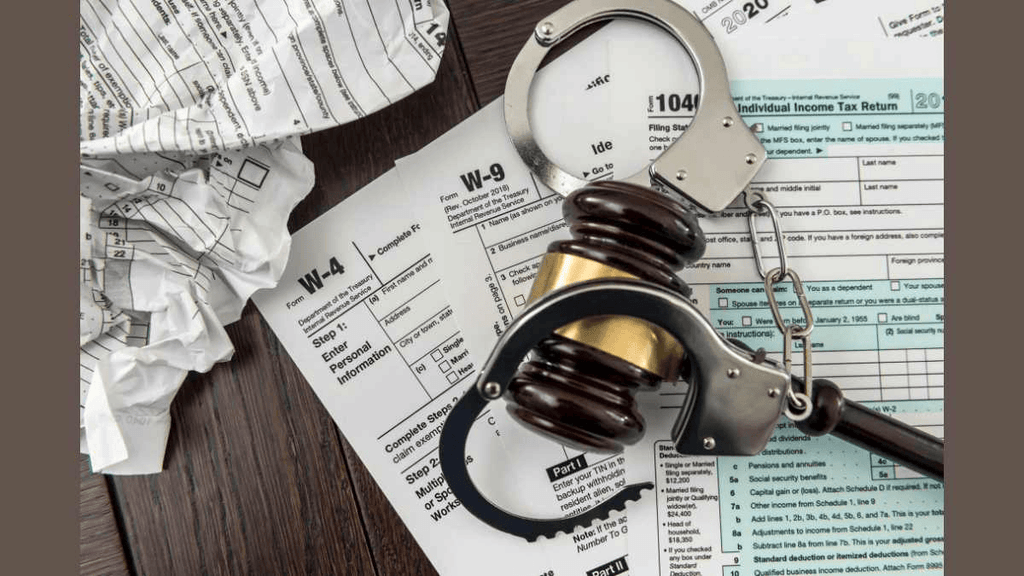
New Delhi: The GST Council could remove tax officials’ power to arrest alleged defaulters when it meets this week, people familiar with the matter said. The proposal is part of a broader set of “GST 2.0” process reforms.
The overhaul follows last September’s rate rationalisation, which reduced the four-tier structure of 5%, 12%, 18% and 28% to two main slabs of 5% and 18%. With revenue now stable, the government wants to complete the reform through procedural changes. Any future rate tweaks would be limited to once a year and take effect from April 1.
Officials say real-time invoice matching and data analytics have made arrests largely unnecessary for catching evasion. Under the proposal, routine disputes over classification, valuation and input credit would be settled through recovery, interest and penalties. Prosecution would be reserved for serious fraud, with the threshold raised from ₹1 crore to ₹5 crore.
Other proposals include:
- a single annual return with quarterly payments for MSMEs with turnover up to ₹5 crore
- registration within three days
- automatic approval of 90% of low-risk refunds
- letting taxpayers correct sales statements directly
Sectoral measures include full input credit for EVs and business vehicles with fewer than 13 seats. Online sellers could use e-commerce warehouses as their place of business, and random border checks on trucks would end. There is also relief for pharma, agriculture, exporters and hospitality.
Industry bodies have welcomed the move. They argue that arrest powers have stifled entrepreneurship.
About The Author