Ladakh-based activist urges citizens to identify “selfless, fearless” leaders of character ahead of India’s 2047 centenary
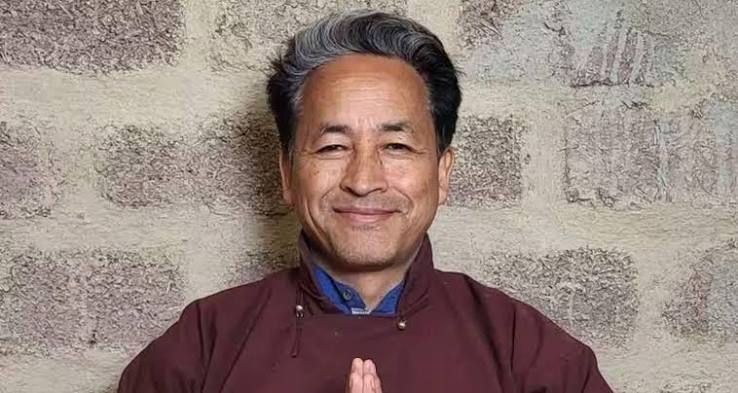
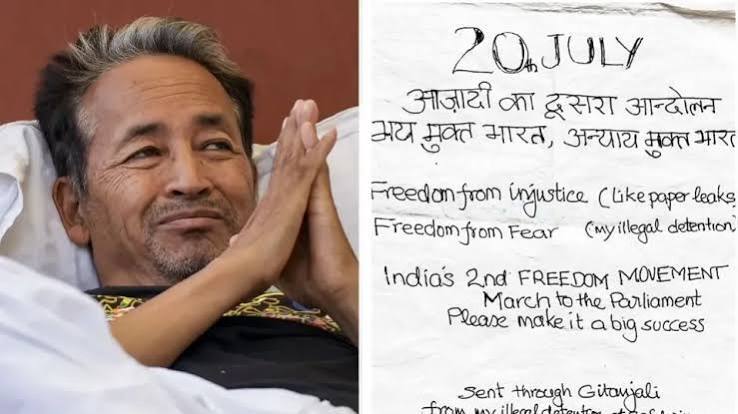
Scientist and climate activist Sonam Wangchuk has called for what he described as India’s “2nd Independence movement”, arguing that the country needs a peaceful transformation in the way political leaders are identified and elected.
In a post on X on Thursday, Wangchuk said India must rethink its political system if it wants to remain a “respectable nation” by 2047, when the country marks 100 years of Independence. He urged citizens to participate in a wider national conversation on political reform.
Wangchuk pointed to the criminal cases faced by elected representatives as one of the factors contributing to what he described as a growing “trust deficit”. Citing figures in his post, he said nearly half of India’s MPs have criminal cases against them, while around a third face serious charges, including murder, rape and kidnapping.
The activist said he plans to consult some of the country’s “best minds” to explore what changes are required and how they could be achieved. However, he stressed that the initiative should extend beyond intellectual and academic circles.
Instead, Wangchuk appealed to citizens to identify “selfless, fearless men and women of character and substance” who could contribute to reforming India’s political system. He acknowledged that he did not know where such individuals could be found and asked people to nominate at least one person from India and another from their own region.
“Together, can we start India’s 2nd Independence movement?” Wangchuk asked, framing the proposal as a collective citizen-led effort to rethink political leadership.
Support for Jharkhand student protests
Wangchuk has also recently backed student leader Devendra Nath Mahato, who is on an indefinite hunger strike in Ranchi over alleged irregularities in competitive examinations, including JPSC and JSSC CGL.
His intervention comes after his own participation in student protests at Delhi’s Jantar Mantar, where he had joined a hunger strike demanding greater accountability over examination-related concerns.
About The Author