In the shadow of coal, stitch by stitch and stamp by stamp, Jharia’s women are writing their own swaraj
For the past few years, Jharia kept appearing on my screen. Scrolling through coal industry news, I would pause at the same headlines: underground fires, sinking land, a Master Plan revised and approved. Jharia was a name I knew well, and a place I did not know at all.
A few days ago, I finally went. From Dhanbad, the road to Jharia announces itself before the town does: a grey haze, the smell of smoke, coal dust settling on everything from tea glasses to eyelashes. Somewhere beneath my feet, a fire first reported in 1916 was still burning.
I expected a story about fire. What struck me instead was a story about work.
The Revised Jharia Master Plan, approved by the Union Cabinet in June 2025 with ₹5,940 crore, aims to tame the coalfield’s fires and move about 15,000 families out of its most dangerous zones. Beyond a house or cash, it promises what the 2009 plan largely missed: livelihoods, through skilling, credit and women’s self-help groups. It matters because families had stayed on burning ground rather than lose the only earnings they knew.
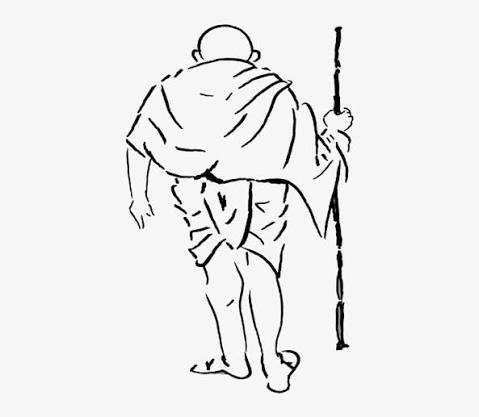
Walking with Bapu
In Belgaria, the resettlement township developed by BCCL, I found myself imagining another visitor walking beside me: a thin man with a walking stick, who believed every person should earn their bread by the work of their own hands, and that no honest work is beneath anyone’s dignity.
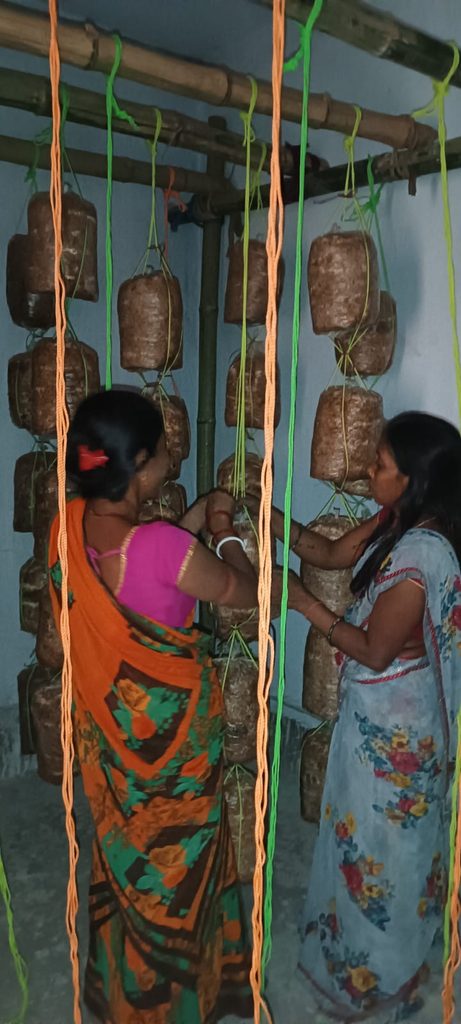
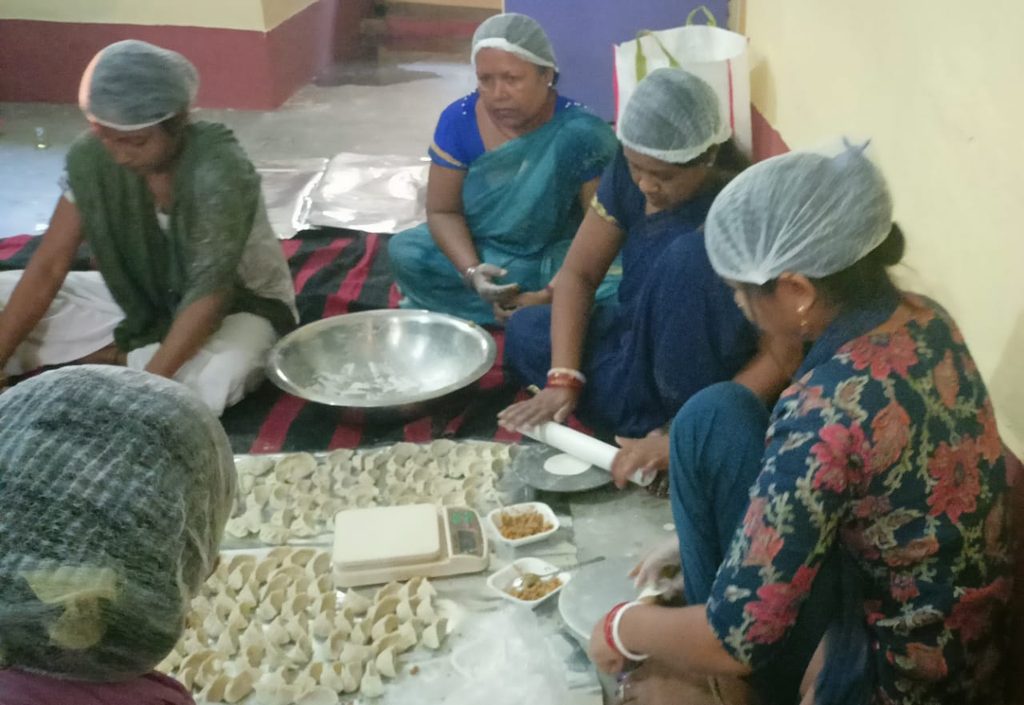
He would have seen women stitching garments and making bags, packing goods, growing mushrooms, helping run small home-based grocery shops. He would have paused at the cloud-kitchen pilot, where women now serve idli and momos to customers they once might never have met. All of it is part of Project AROHI, BCCL’s initiative for skill building and economic empowerment; arohi, fittingly, means “one who rises”. The charkha has simply changed shape. Here it is a sewing machine, a steamer, a ledger.
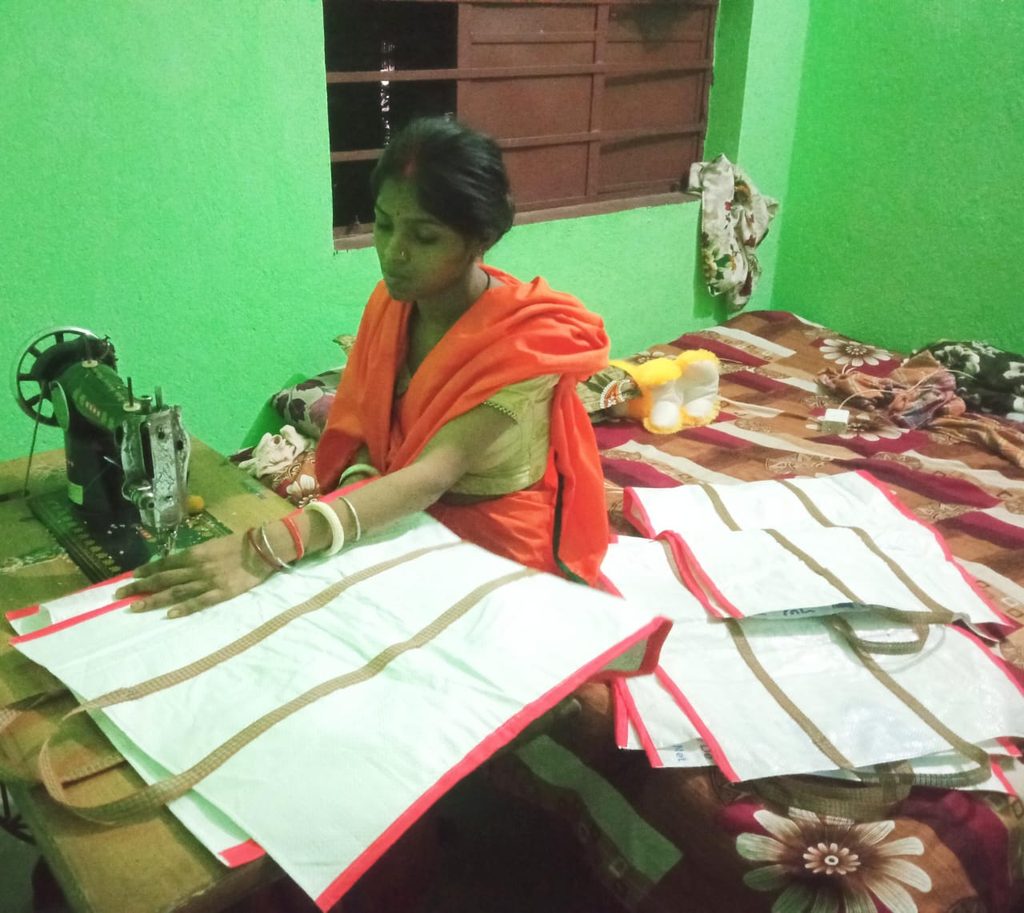
These women were never idle. Jharia’s women once carried coal in baskets and loaded it in the tubs, until they were barred from underground work in the 1930s. After that, their labour slipped out of sight, into kitchens, courtyards and backrooms that no ledger counted. With AROHI, that invisible work is finally stepping into daylight.
Five seals, and a voice
In one AROHI savings group, a woman held up their passbook, eyes twinkling:
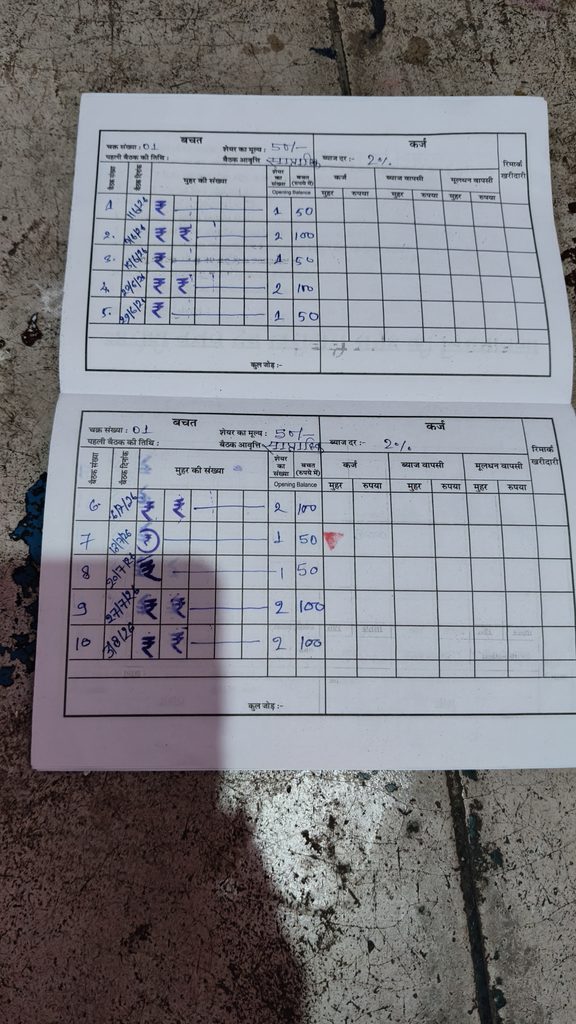
“Humara paanch seal waala khaata hai.”
“Ours is a five-seal account.” Five weeks, five deposits, five stamps; not one week missed. Across 26 groups, 332 women have saved more than ₹2.5 lakh in just four to five months. They said that figure slowly, as though tasting it.
Yet the deepest change was not in the passbook. Another woman put it plainly:
“Paisa bolta hai, didi. Pariwar, aadmi, sab wahi hai. Par ab do paisa ghar mein jodte hain to izzat mil rahi hai. Poochhta hai log jab koi gharelu faisla karta hai.”
“Money speaks, sister. The family, the husband, everything is the same as before. But now that we add a little money to the home, we are getting respect. People ask us when a household decision is made.”
Gandhi would have understood that sentence at once. Dignity of labour was never about the size of the income. It is about the voice it buys.
One woman spoke with quiet nostalgia:
“Pehle collector logon ka gaadi aate-jaate door se dekhte thhe. Par ab collector saab hum logon se milte hain, sunte hain, batiyaate hain.”
“Earlier, we watched the collectors’ cars come and go from a distance. Now the Collector sahib meets us, listens to us, talks with us.” She meant Aditya Ranjan, Deputy Commissioner of Dhanbad. Gandhi, who asked that every decision be tested against the last person in the line, would have smiled at that.
A living laboratory
Gandhi called his life a series of experiments with truth, run at Phoenix and Sabarmati. Belgaria feels like a new one. Through Project AROHI, the Jharia Master Plan team, BCCL and civil society partners are working side by side, linking training to markets, savings to credit and pilots to orders, so that these women’s earnings outlast the projects that began them. The hope is that they become role models for neighbours still hesitating at the burning edge, whose deepest fear is not fire but the loss of income. That fear will not be answered by a brochure. It will be answered by the woman next door with a five-seal passbook.
Two fires
As I left, coal dust on my sleeves, I kept thinking about Jharia’s two fires. One has burned beneath the ground for over a century, and it only consumes. The other has just been lit, in a stitching unit, at an idli stall, in a passbook with five stamps, and it builds.
If Gandhi walked through Jharia today, he would not ask how much aid had been given. He would ask whose hands were working, and whose voice was finally being heard.
A woman receiving livelihood support is one story. A woman acquiring the ability to create and sustain her own livelihood is another.
The first is a scheme. The second is swaraj.
About The Author