
AI-driven scenario modelling shows government support cushions early shocks, yet fiscal strain and inflation risks mount if the standoff drags into a second quarter
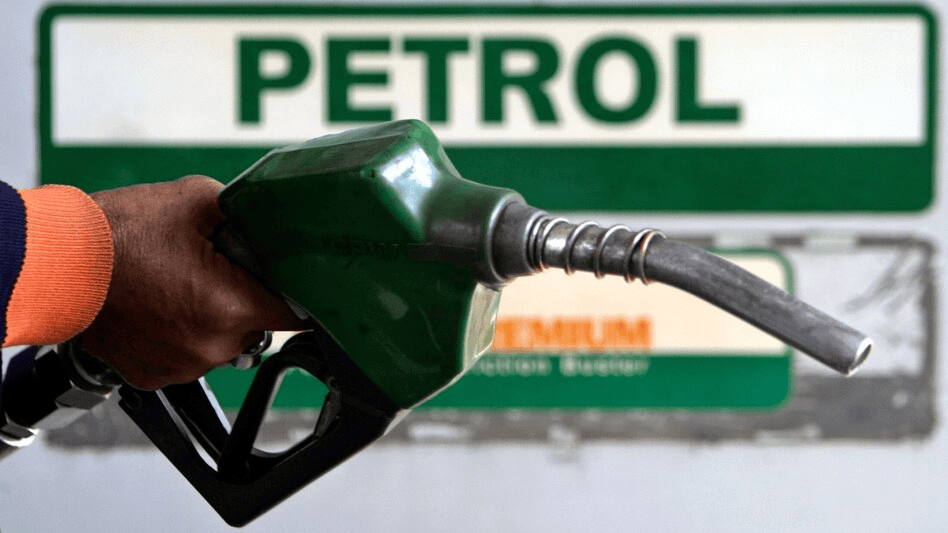
A new study by geopolitical consultancy The Asia Group, using AI-based scenario simulations, finds that India can manage the fallout from a prolonged Strait of Hormuz disruption for roughly three months before the situation grows significantly tougher.
The strait, a critical corridor for global oil and LNG flows, has been disrupted following escalation between the US, Israel and Iran since February. The Asia Group ran 50 simulations over 180 days, modelling responses from the Indian government, the RBI, Parliament, and businesses of varying sizes.
Results show India successfully absorbed the initial shock through fuel subsidies, price caps, diplomatic energy sourcing, and reserve swaps, though at a fiscal cost: deficits exceeded the 4.8% GDP target, reaching 5–5.3% by December. Beyond 90 days, pressures intensify, rising LPG costs hit households, agriculture faces higher fertiliser prices due to Gulf sulphur imports, and pharmaceutical exporters confront squeezed margins. Food inflation breached 8% in over two-thirds of simulated runs.
The report suggests sustained disruption could weaken the rupee and widen the current account deficit, while potentially accelerating India’s renewable energy transition.
About The Author



Great content! Keep up the good work!