
Bengaluru warehouse sealed, Mumbai Blinkit licence suspended as inspections flag hygiene lapses, pests and improper food storage
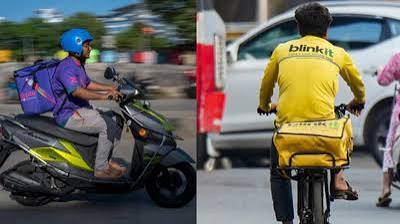
Food safety authorities in Karnataka and Maharashtra have intensified inspections of quick-commerce and retail facilities after finding multiple violations involving hygiene, storage, labelling and pest control.
In Bengaluru, Karnataka’s Food Safety and Drug Administration sealed a Zepto warehouse at the Nippon Express facility in Hoskote following an inspection. Officials reportedly found unhygienic food-handling and storage conditions, improper labelling, misbranding and other breaches under food safety regulations. The department issued a notice and recommended further legal proceedings.
The inspection was part of a wider campaign covering food quality, storage, labelling and handling practices. Authorities also inspected three Indira Canteens in Gottigere, Singasandra and Lingarajapuram. The Gottigere outlet was sealed, while notices were issued to all three facilities. Food samples, including pulses, cooking oil, spices, sugar, salt and prepared items, were collected for laboratory testing.
In Mumbai, Maharashtra authorities suspended the food licence of Blink Commerce Pvt Ltd, which operates Blinkit, at its Malad West facility. Inspectors reportedly found a large cockroach infestation, food stored on rusted racks, inadequate cleanliness in cold-storage areas and expired or compromised packaged products.
The facility has been barred from selling or distributing food during the suspension period.
Meanwhile, a Reliance Retail outlet in Maharashtra’s Buldhana district also faced action after a complaint alleged live larvae were found in packaged kaju katli. Officials collected samples from another batch for laboratory testing and seized the available stock linked to the product.
Zepto said it cooperated fully with the inspection and was taking corrective measures based on the observations.
The inspections have renewed concerns over food safety in rapidly expanding quick-commerce supply chains, where warehouses and dark stores increasingly handle large volumes of packaged and ready-to-eat products.
About The Author