The Saudi-Houthi conflict demands a policy that protects Indian citizens and commerce without drawing New Delhi into an open-ended war.
The Saudi–Houthi confrontation tests the distance between diplomatic independence and the practical ability to protect Indian citizens, energy supplies and commerce.
When conflict threatens an airport used by Indian travellers, a shipping route carrying essential imports or the livelihoods of Indians working abroad, the phrase must translate into decisions. Who receives assistance? Which supplies can be replaced? What can India protect? Where does cooperation end and military entanglement begin?
Saudi Arabia’s confrontation with the Houthis brings these questions together. The Kingdom is an important energy partner and home to approximately 2.7 million Indian nationals. The death of an Indian national following the October attack on Riyadh’s airport underlines the immediate human stakes.
India cannot treat the conflict as a distant disturbance. It should not treat it as an invitation to war either.
Begin with people, not prestige
The first obligation is straightforward: protect Indian citizens.
Consular preparedness, medical support, reliable public advisories and coordination with Saudi authorities matter more in a crisis than declarations about India’s growing global stature. Evacuation arrangements must be workable rather than merely announced. Families need clear information, not competing messages from different agencies.
Citizen protection should be treated as a standing capability. Waiting until an airport closes or a conflict spreads is an expensive way to discover gaps in planning.
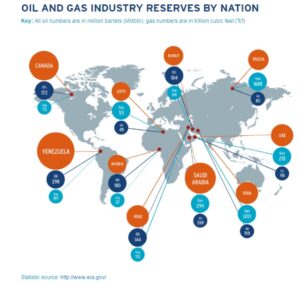
The same discipline is needed in energy policy. India imports more than 88% of its crude requirements. Its vulnerability therefore extends beyond the price of oil to the reliability of the systems delivering it.
A favourable contract offers little comfort when the cargo cannot arrive.
Buying from more countries is not enough
India has good reason to maintain relationships with several energy suppliers. Russian purchases, Gulf partnerships and wider sourcing options provide commercial flexibility. But diversification must be assessed honestly.
Different suppliers can depend on the same shipping passages. Cargoes can encounter the same insurance constraints. Refineries may not be able to substitute one grade of crude for another without adjustment.
Real security requires inventories, flexible procurement, suitable refining capacity and the ability to redirect deliveries. It also requires an understanding of how disruptions interact. A maritime crisis can coincide with sanctions pressure, turning a manageable supply problem into a wider financial and commercial challenge.
Russian oil demonstrates the trade-off. Discounts can be valuable, but the final calculation must include transport, payment arrangements, sanctions exposure and the consequences for other Indian interests.
India should neither abandon a useful relationship to display obedience nor become dependent on it to display independence.
Autonomy means preserving alternatives.
Partnership is not a blank cheque
India and Saudi Arabia already have mechanisms for defence cooperation, joint exercises, cybersecurity, maritime security and energy collaboration. These provide a basis for practical action without requiring New Delhi to adopt every Saudi regional objective.
That distinction must remain explicit.
Maritime surveillance, rescue operations and defensive coordination should be considered according to clear operational needs and legal mandates. They must not become an undeclared commitment to determine Yemen’s political future.
Before accepting a larger security role, India must ask what success would mean, how long the commitment would last and under what conditions it would end.
An operation with no defined political purpose can outlive the crisis that justified it.
Diplomacy should remain equally measured. India can support de-escalation and a credible political settlement, but access to regional capitals does not automatically confer decisive influence over the Houthis. Overstating mediation capacity would serve neither India’s interests nor the peace process.
Consistency strengthens independence
India should condemn attacks on civilian infrastructure without ambiguity. It should also insist that civilian protection and humanitarian access remain obligations throughout the conflict.
Supporting Saudi sovereignty does not require endorsing every military response. Maintaining relations with other regional actors does not require silence about attacks on civilians.
Such consistency is not diplomatic indecision. It is a basis for independent judgement.
The choice before New Delhi is not between becoming a spectator and becoming a combatant. There is a substantial middle ground: protect citizens, strengthen energy resilience, help safeguard lawful commerce and support negotiations while retaining control over commitments.
India’s standing will grow through preparedness, not through the frequency with which it describes itself as an emerging power.
Strategic autonomy is worth defending. But it must be visible in the country’s ability to withstand pressure, protect its people and make decisions without being cornered by dependence. Otherwise, it remains a doctrine stronger in speeches than in practice.
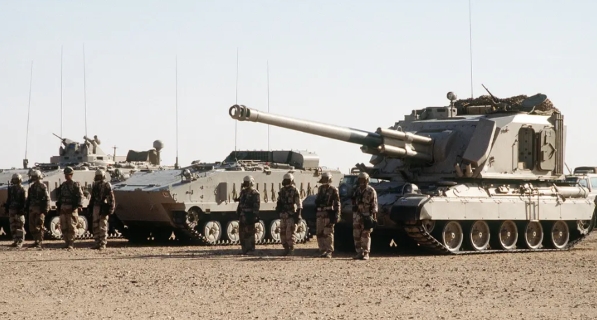
Image curtsey open source Saudi Land force image archive
About The Author