
The Delhi Police Act, 1978 gives the commissioner wide powers over streets, but each comes with legal condition
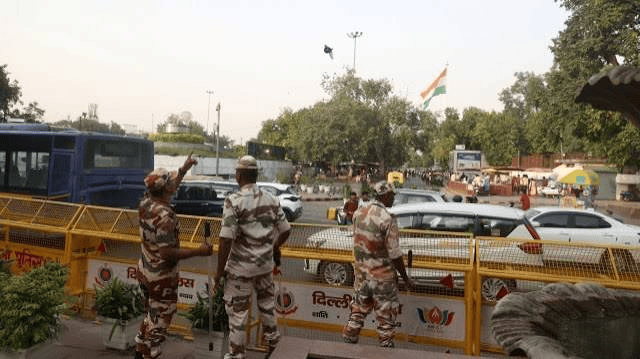
New Delhi, October 10: Delhi Police sealed off the approaches to Jantar Mantar on Saturday with multiple layers of barricades ahead of the Cockroach Janta Party’s protest against Chief Election Commissioner Gyanesh Kumar. Barriers went up at 37 identified entry points, and pickets were placed along district borders. This has brought fresh attention to the legal basis for such restrictions.
The powers come from the Delhi Police Act, 1978, and rest mainly with the police commissioner. Deputy and assistant commissioners can use them on his orders.
Section 36(1) lets the commissioner reserve any street or public place, but only temporarily, for a public purpose, and through a public notice. Section 36(2) allows him to authorise barriers to stop vehicles briefly and check that no law is being broken.
Under Section 28, he can also issue standing regulations, published in the Official Gazette, to control traffic and temporarily close streets. Regulations on closures need the prior approval of the Lieutenant Governor, who is Delhi’s Administrator. They normally have to be publicised in advance, though the commissioner can skip this if he believes the situation is urgent.
The Act also obliges citizens to follow reasonable police directions. Section 65 allows officers to remove anyone who refuses, but that person must be produced before a magistrate or released within 24 hours. Violating Section 28 traffic regulations is an offence for which police can arrest without a warrant.
About The Author