When Silence Becomes the Loudest Voice
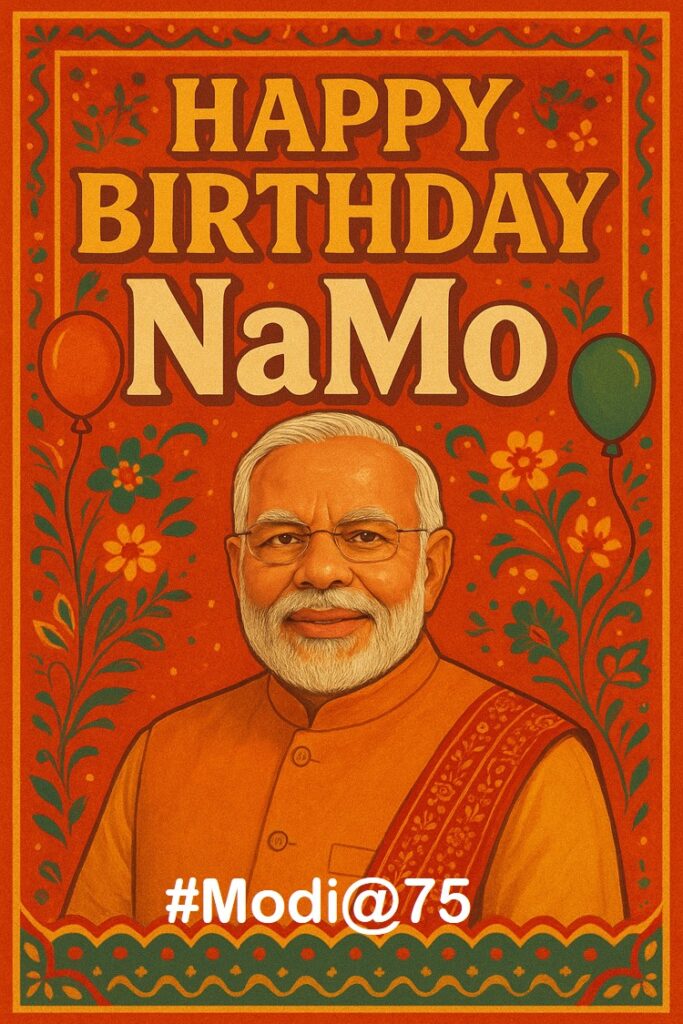
As Narendra Modi turns 75, the internet overflows with tributes to his speeches, his policies, and his leadership. Yet, the most intriguing part of his communication isn’t what he says; it’s what he doesn’t. Modi’s silences have become their own political language, understood instinctively by 1.4 billion Indians – and more worldwide.
This may sound odd, but I’ve spent years tracking these pauses. They aren’t filler breaks. They are calculated signals, subtle weapons that have redefined political communication in India. In Modi’s playbook, silence isn’t the absence of speech. It’s a message in itself.
A Nation of Pause-Decoders
Indians have grown fluent in interpreting the grammar of silence. A casual “Bhaiyon aur behenon” flows like small talk. But when he begins with “Deshwasiyon…” and halts, the country knows something weighty is coming. A pause before “surgical strikes.” A silence before “lockdown.” These moments land heavier than the words themselves.
Social media amplifies this phenomenon. Analysts now parse his pauses as eagerly as his policies: “Did you notice that silence before he mentioned the economy?” The country has become a republic of pause-interpreters.
When Silence Means Action
The strategy goes beyond podiums. Modi’s refusal to comment on certain issues, border clashes, reforms, even controversies, becomes communication of another kind. When he stops talking, it often signals that something is already moving behind the scenes. Silence, in his case, rarely means inertia.
The Diplomatic Portal
Perhaps his most striking technique is the mid-speech audience switch. At a Bihar rally in April 2024, he paused while speaking in Hindi to farmers, then pivoted into sharp English: “Today from the soil of Bihar, I say to the whole world,India will track and punish every terrorist and their backers.”
That pause wasn’t hesitation. It was choreography. One moment, he was Bihar’s son. The next, he was India’s global statesman. Domestic audiences felt included; international observers got the message. A silence bridged two constituencies across continents.
From Tea Stalls to Global Podiums
This mastery traces back to tea stalls, where a young Modi learned to read customers instantly,who wanted speed, who wanted conversation, who wanted comfort. Those instincts, honed in micro-interactions, now operate on a global scale.
Each pause is a carefully placed doorway, inviting different audiences, villagers, diplomats, critics,to walk in and interpret. During his U.S. Congress address, a pause and shift of gaze simultaneously acknowledged lawmakers in the chamber and millions watching in India. No words were needed; silence did the translation.
The Politics of the Unsaid
The ultimate insight? In modern politics, control lies not just in what leaders say but in how they curate what is left unsaid. Modi has elevated silence into a political instrument, one that leaves space for his audiences to supply their own interpretations. That is power.
So, as tributes pour in on his 75th birthday, perhaps the real measure of his impact isn’t only in his words. It’s in the silences that have trained a nation not just to listen, but to anticipate. Modi has made India fluent in the most difficult language of all: the language of pause.
About The Author