
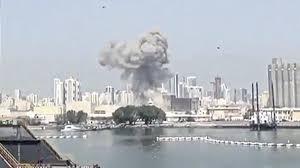
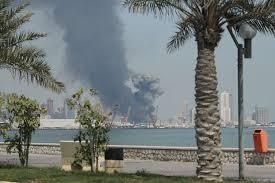
The large-scale US-Israeli strikes on Iran on 28 February 2026 began a conflict whose consequences are still unfolding across the Middle East six months later.
Iranian Supreme Leader Ayatollah Ali Khamenei was killed in the initial barrage, according to Reuters reporting at the time. Iran responded with attacks against US and other targets in the region, while neighbouring Gulf states faced direct security threats and disruption to civilian life and transport.
The first hours produced fast-moving and sometimes contradictory claims. Governments described military objectives, damage and interceptions from their own perspectives, and independent verification was limited. A responsible account must therefore distinguish confirmed developments from claims made by the parties to the conflict.
From an initial strike to a regional war
The February operation was not an isolated exchange. Retaliation expanded the confrontation beyond Iran and Israel, affecting US forces and Gulf countries. The United Nations Security Council later adopted Resolution 2817, condemning Iranian attacks against Gulf states and demanding an end to those strikes.
That diplomatic response did not end the fighting. By July, Iran said it had struck US military targets in the Gulf as it prepared to bury its slain leader. Reuters continued to report attacks, counterattacks and heightened regional military activity.
As of 8 September, the crisis remained active. Iran said it planned a new restricted zone in the Gulf and threatened further missile action against the United States, according to Reuters. Claims made by Iranian, US or Israeli officials require attribution because operational details and casualty figures remain contested.
Why the Strait of Hormuz matters
The conflict has implications far beyond the countries directly involved. The Strait of Hormuz is a critical passage for global oil and liquefied natural gas shipments. Restrictions, attacks or even the threat of disruption can raise insurance, freight and energy costs.
India is particularly sensitive to sustained oil-price increases because it imports most of the crude it consumes. Higher energy costs can affect the trade balance, the rupee, transport expenses and inflation. Read News Trust India’s detailed analysis of how a Hormuz crisis could affect India and its report on the rupee’s response to rising oil prices.
These risks do not mean every threat will lead to a complete closure of the waterway. Naval presence, diplomatic pressure and the economic costs to all sides may limit escalation. Markets nevertheless react to probability as well as confirmed disruption, which is why statements about exclusion zones or missile launches can move prices before their full effect is known.
Human and diplomatic costs
The war has also brought civilian deaths, displacement, interrupted flights and concern about wider regional escalation. Exact casualty figures should be treated cautiously when access is restricted and the parties publish competing accounts.
Diplomatic efforts face a difficult sequence: preventing attacks on neighbouring states, protecting shipping and civilian infrastructure, and creating a channel for negotiations over the underlying confrontation. UN resolutions can establish international positions, but implementation depends on the governments and armed forces involved.
What is known now
Six months after the February 28 strikes, three conclusions are supported by the public record. The initial attack changed Iran’s leadership, Iranian retaliation widened the conflict geographically, and the resulting security risk continues to affect the Gulf and global energy markets.
What cannot yet be known is how long the war will last or what political settlement may follow. Coverage should avoid triumphalist or apocalyptic language and should not present a party’s battlefield claim as an independently established fact.
This is a developing story. News Trust India will update the report when governments, international organisations or independently verifiable reporting establish material new facts.
Sources: Reuters report on the February 28 strikes; UN Security Council account of Resolution 2817; Reuters July follow-up; Reuters September update
This report was prepared with AI assistance and reviewed, fact-checked and approved by the News Trust India editorial team.
About The Author



hello world
hello world