White House report alleges Chinese goods were rerouted through India and other third countries to enter the US market at lower tariff rates
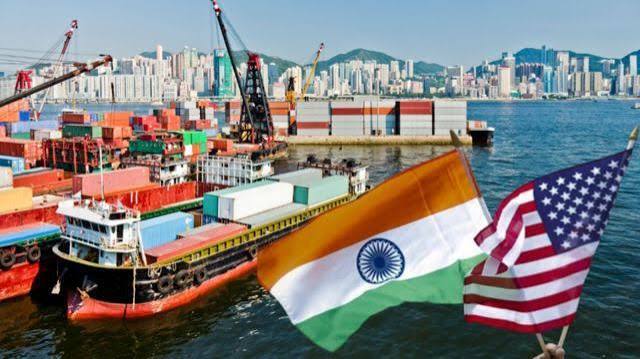
The United States has named India among countries forming part of what a new White House report calls a “shadow transhipment network” allegedly used to reroute Chinese goods into the American market and circumvent high tariffs imposed by the Trump administration.
The report, titled The Great Transhipment Scam, estimates that potentially illegal transhipment could be worth around $60 billion, resulting in billions of dollars in lost US tariff revenue. It calls for tougher action against countries facilitating such trade, including immediate interdiction, penalty tariffs, sanctions and, in some cases, loss of access to the US market.
The report traces the problem to 2018, when the Trump administration imposed Section 301 tariffs on selected Chinese imports. According to the document, Chinese exporters subsequently began routing goods through third countries where limited assembly, repackaging, relabelling, finishing or documentation changes could make the products appear to have a different country of origin.
Around 40 countries are identified as part of the alleged network. India, along with Canada, Japan, the European Union, Israel and Mexico, has been placed in Tier 1, described as the group of major economies playing a significant role in facilitating such trade.
The report cites US Commerce Department data to estimate that about $67 billion worth of US-bound goods were transhipped from China through major hubs, including India, Mexico and Vietnam, in 2025. It estimates this resulted in nearly $28 billion in lost tariff revenue.
The document also claims that transhipment could have wider economic consequences for the US, including job displacement, reduced GDP and lower federal revenue. However, it stresses that these figures are model-based estimates rather than directly observed losses.
The allegations come at a sensitive point in India-US trade relations, as both countries continue negotiations on a trade agreement. The report’s findings could add further pressure to those talks and intensify scrutiny of India’s role in global supply chains.
About The Author