From Chhoti Bahen to Hum Saath-Saath Hain, Hindi cinema has often used Raksha Bandhan to transform relationships, reveal hidden emotions and change the course of a story.
Raksha Bandhan in Hindi cinema has rarely been just about a decorated thali, a rakhi tied around a brother’s wrist and the customary exchange of sweets. The festival has often served as a powerful storytelling device,a moment when secrets surface, relationships are tested and characters are forced to make life-changing choices.
For decades, filmmakers have used the emotional symbolism of Raksha Bandhan to explore the bond between brothers and sisters. In some stories, the festival brings estranged families together. In others, it becomes a moment of sacrifice, reconciliation or painful separation. Here are five Hindi films where Rakhi becomes more than a celebration,it becomes a turning point.
1. Chhoti Bahen (1959): A promise of protection
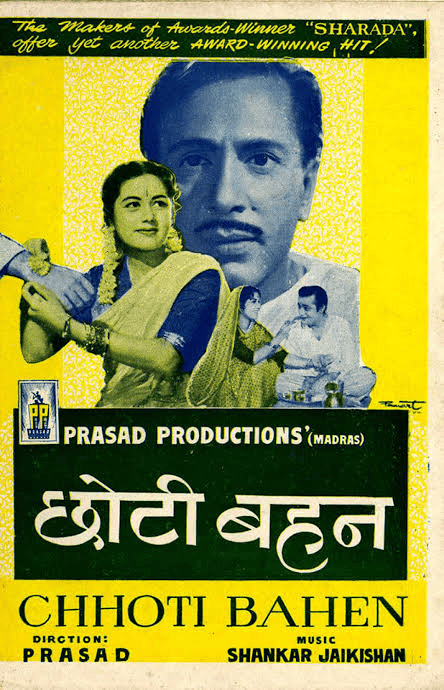
L.V. Prasad’s Chhoti Bahen remains one of the most enduring films built around sibling affection. Nanda plays Meena, a visually impaired young woman whose two brothers, played by Balraj Sahni and Rehman, are deeply protective of her.
The famous song “Bhaiya Mere Rakhi Ke Bandhan Ko Nibhana”, sung by Lata Mangeshkar, transformed the rakhi into an emotional promise of lifelong protection. The festival becomes a reminder of the brothers’ responsibility towards their sister, while the story repeatedly tests the strength of that bond.
he film established a template that Hindi cinema would revisit for decades: Rakhi as a symbol of responsibility rather than merely ritual.
2. Rakhi (1962): When sacrifice defines sibling love
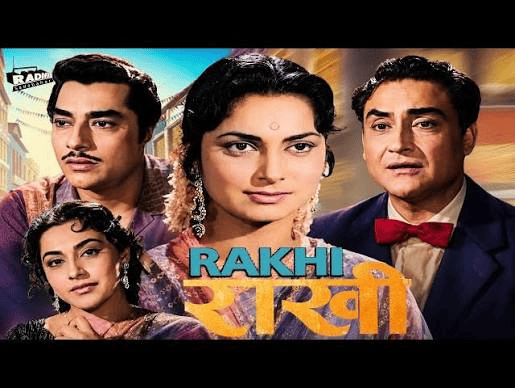
A film actually titled Rakhi naturally places the festival at the heart of its emotional universe. Directed by A. Bhim Singh, the film stars Ashok Kumar, Waheeda Rehman and Pradeep Kumar.
The story explores family relationships, sacrifice and the responsibilities that accompany sibling affection. Raksha Bandhan becomes a symbolic expression of promises made between siblings, reinforcing the idea that the brother-sister relationship can demand personal sacrifice.
The film reflects a recurring theme in classic Hindi cinema: family duty often stands above individual desire.
3. Resham Ki Dori (1974): A festival amid family conflict
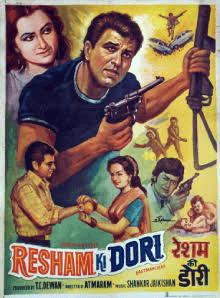
Resham Ki Dori, starring Dharmendra, Saira Banu and Kumud Chhugani, uses the brother-sister relationship against a backdrop of family tensions.
The film’s emotional appeal rests on the traditional idea that a brother’s responsibility does not end with the ritual of tying a rakhi. The festival becomes an occasion to reaffirm relationships and confront tensions within the family.
Its title itself evokes the familiar metaphor of the rakhi as a delicate thread that can nevertheless hold people together through conflict.
4. Hare Rama Hare Krishna (1971): When Rakhi exposes a broken family
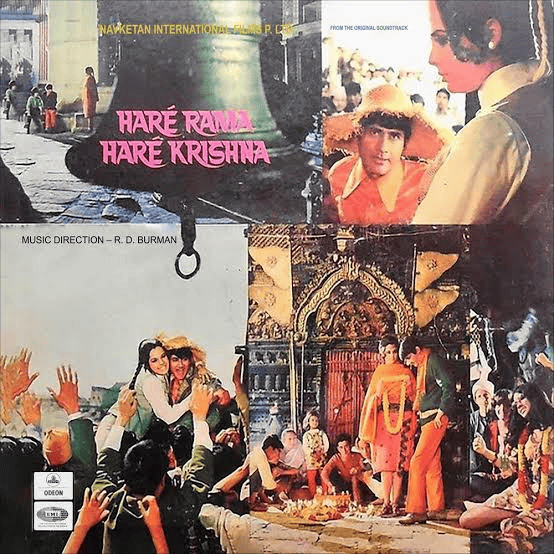
Dev Anand’s Hare Rama Hare Krishna offers a very different interpretation of sibling separation. The film revolves around siblings Prashant and Jasbir, whose lives take radically different directions after their family breaks apart.
While Raksha Bandhan is not the film’s central plot device in the conventional sense, the imagery and emotional vocabulary of sibling bonds resonate strongly with the story’s larger theme of separation and reunion.
The film’s turning point comes through Prashant’s attempt to find his sister and bring her back from a life of alienation.
Here, the idea behind Rakhi family, protection and belonging becomes a metaphor for a relationship that has been fractured.
5. Hum Saath-Saath Hain (1999): Rakhi and the family reunited
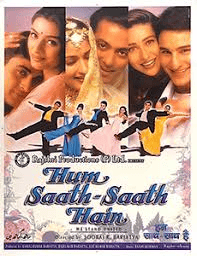
Sooraj Barjatya’s Hum Saath-Saath Hain places family unity at the centre of its narrative. The film celebrates relationships between siblings and repeatedly reinforces the importance of staying together despite misunderstandings and conflict.
Festivals, rituals and family gatherings are integral to the film’s storytelling. Raksha Bandhan fits naturally into this universe, where ceremonies become occasions to reaffirm familial bonds.
The larger message is unmistakable: rituals matter because they create opportunities for families to pause, reconnect and remember what binds them together.
More than a thread
Across Hindi cinema, Rakhi has evolved from a simple festive ritual into a narrative shorthand for love, protection, sacrifice, separation and reconciliation.
The thread tied around a wrist may be tiny, but filmmakers have repeatedly made it carry enormous emotional weight. A rakhi can represent a promise made in childhood, a relationship damaged by circumstances or a family waiting to come together again.
Perhaps that is why Raksha Bandhan works so well on screen. The festival already contains the ingredients of drama: memory, expectation, duty and emotion.
And when the rakhi is tied, something in the story often changes.
Because in Hindi cinema, sometimes one thread is enough to pull an entire family back together.
About The Author